
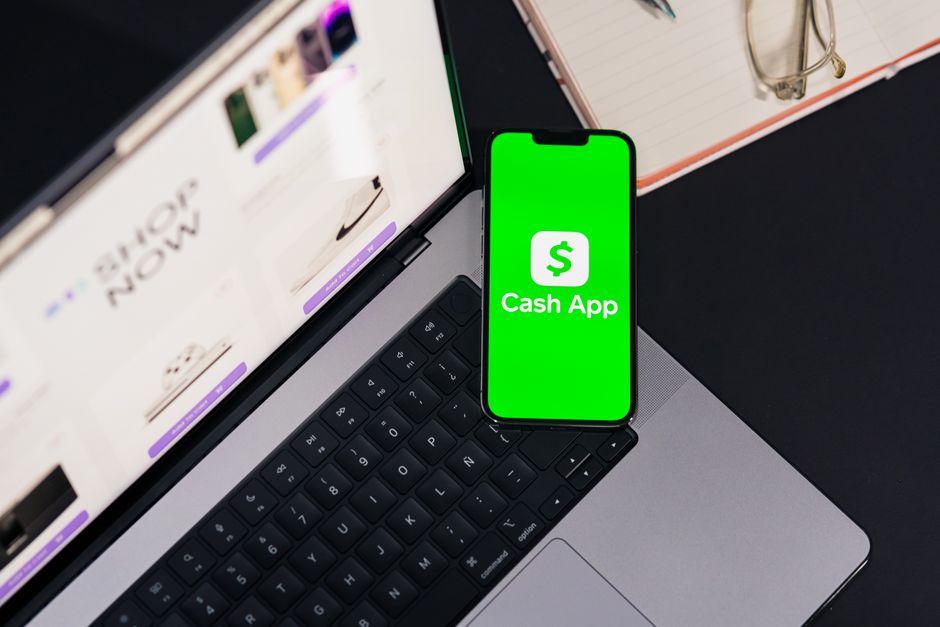
Fintech influencer marketing is one of the highest stakes plays in the creator economy. Get it right and you earn trust in a category where trust is everything. Get it wrong and you are not just wasting budget, you may be inviting a regulator into your inbox. Money apps, trading platforms, neobanks, and crypto products all live under rules that most consumer brands never think about. This guide walks through how fintech brands can work with creators, stay compliant, and still produce content that converts.
 Photo by Kampus Production on Pexels
Why Fintech Influencer Marketing Works So Well
People do not choose a bank or a trading app the way they choose a phone case. Financial products carry real consequences, so buyers look for social proof from people they already trust. That is exactly what creators provide.
The rise of the finfluencer proves the demand. Millions of people, especially Gen Z and younger millennials, now learn about budgeting, investing, and credit from TikTok and YouTube rather than from a bank branch. Surveys consistently show that a large share of young adults get financial advice from social media first.
For fintech brands, this is a rare opening. Traditional financial institutions are slow, heavily gated, and often absent from creator channels. A challenger brand that shows up with honest, useful creator content can own the conversation. Creator content also compounds. A well made explainer about how a cash back card works keeps pulling in views and signups for months, long after a paid ad would have stopped.
There is also a targeting benefit that fintech teams often overlook. Creators segment audiences better than any ad platform. A creator who teaches freelancers about quarterly taxes has already gathered your exact customer for a bookkeeping app. A points and miles creator has pre qualified an audience for a travel card. Instead of paying an ad network to guess, you partner with the person your customers already follow.
The catch is that the same trust that makes fintech creators powerful also makes regulators watch this space closely. That brings us to compliance.
The Compliance Rules You Cannot Ignore
Compliance is not a box to check at the end. In fintech it shapes the entire campaign, from creator selection to the words used in a 30 second video. In the United States, four frameworks matter most.
| Rule or Regulator | What It Covers | What Brands Must Do |
|---|---|---|
| FTC Endorsement Guides | All paid or gifted creator promotions | Require clear, conspicuous disclosure in every post. Liability is shared between brand and creator |
| SEC anti touting rules | Securities and many crypto promotions | Disclose compensation amounts. Celebrity crypto cases have ended in six figure settlements |
| FINRA Rule 2210 | Broker dealer communications with the public | Treat creator content as firm communication. It may need pre approval and record keeping |
| CFPB and UDAAP standards | Consumer financial products like loans, cards, and banking apps | Avoid deceptive claims about fees, rates, returns, or savings outcomes |
A few practical rules follow from this table. First, every sponsored post needs a disclosure the viewer cannot miss. A buried hashtag does not count. Our FTC disclosure guide covers the clear and conspicuous standard in detail, including penalties that can reach 50,120 dollars per violation.
Second, scripts and claims need review before anything goes live. If a creator says users save 500 dollars a year, you need data behind that number and often a disclaimer alongside it. Words like guaranteed, risk free, and best rate should trigger an automatic legal review.
If you market outside the United States, the bar rises further. The UK Financial Conduct Authority treats many creator posts about financial products as financial promotions that require approval from an authorized firm. Australia and Singapore have issued similar guidance. When in doubt, involve counsel in each market before content goes live.
Third, keep records. If your product touches securities or you operate as a broker dealer, archived copies of creator content are not optional. Set up a shared folder and save every draft, approval, and final post.
 Photo by Jakub Zerdzicki on Pexels
How to Find and Vet Fintech Creators
Creator selection is where fintech campaigns are won or lost. The wrong partner does not just underperform. They can create legal exposure that outlasts the campaign.
Start with content history. Scroll back at least a year through a creator's posts. Look for past promotions of sketchy trading schemes, undisclosed sponsorships, meme coin pumps, or income claims that sound too good to be true. Any of these should be an instant disqualifier, no matter how good the engagement numbers look.
Next, check audience quality. Fintech attracts fraud, and creator audiences in the money niche are frequent targets for bot inflation. Review engagement patterns, comment quality, and follower growth curves before signing anything. We break down the full process in our guide on how to vet influencers.
Then look at how the creator handles accuracy. The best fintech creators already add disclaimers, cite sources, and separate education from advice. A creator who says this is not financial advice and means it will be far easier to work with than a hype account you have to rein in.
Finally, put everything in writing. Fintech contracts need more than deliverables and dates. Include claim approval workflows, mandatory disclosure language, takedown rights if content becomes non compliant, and a warranty that the creator will follow your compliance guidelines. Our influencer contract template is a solid starting point to adapt with your legal team.
Campaign Formats That Convert in Fintech
Not every influencer format fits a regulated product. The formats below consistently perform for fintech brands while staying inside the lines.
Educational explainers are the workhorse. A creator walks through a real concept, like how compound interest works or what a credit utilization ratio means, and shows how your product helps. Education builds trust and gives compliance teams something concrete to review.
Day in the life demos work because they show the product in context. A creator opens the app, sets a savings goal, and shows the interface on screen. Screen recordings reduce the risk of exaggerated claims because viewers see exactly what the product does.
 Photo by
 Long form YouTube reviews suit products with real complexity, like brokerage accounts or business banking. Longer videos leave room for honest pros and cons, which regulators like and audiences trust.
Podcast sponsorships reach older, higher income audiences that short form video often misses. Money podcasts have deeply loyal listeners, and host read ads carry a personal endorsement that display ads cannot match.
B2B fintech brands should think LinkedIn first. Payments infrastructure, expense tools, and lending platforms sell to finance leaders, and finance leaders follow operators and analysts, not lifestyle creators. Our B2B influencer marketing guide covers how to structure those partnerships.
Whatever the format, brief creators on what they cannot say as clearly as what they can. A one page compliance sheet with banned words, required disclaimers, and approved claims saves everyone rounds of revisions.
Measuring Results Without Cutting Corners
Fintech has an advantage over most industries here. Signups, funded accounts, and transactions are all trackable events, so you can measure creator impact on real revenue rather than vanity metrics.
Track the funnel in stages. Use unique links and promo codes to attribute app installs and signups to each creator. Then follow those cohorts to activation events like a funded account or a first transaction. A creator who drives fewer signups but higher funding rates is often your best performer.
Watch cost per funded account, not cost per click. Fintech products earn revenue over years, so judge creators against customer lifetime value rather than one time conversion costs. Nano and micro creators in tight money niches frequently beat celebrity finfluencers on this math.
Also measure trust signals. Comment sentiment, branded search lift, and direct traffic growth all indicate that creator content is building the credibility that fintech brands need for long-term growth.
One warning on incentives. Performance deals are fine for referral style products, but be careful tying creator pay to investment outcomes or account values. That structure can pull content toward aggressive claims, which is exactly what compliance teams and regulators do not want to see.
Getting Started the Right Way
Fintech influencer marketing rewards brands that treat compliance as a feature rather than a burden. Start small with a handful of well vetted creators, build a claim approval workflow that keeps review times short, and scale the formats that drive funded accounts. The brands winning this category are not the loudest. They are the ones audiences and regulators both trust.
Bizkol helps fintech marketing teams find credible creators, vet their audiences and content history, and manage campaigns from outreach to reporting in one place.
Start your free trial at Bizkol
Photos provided by Pexels