
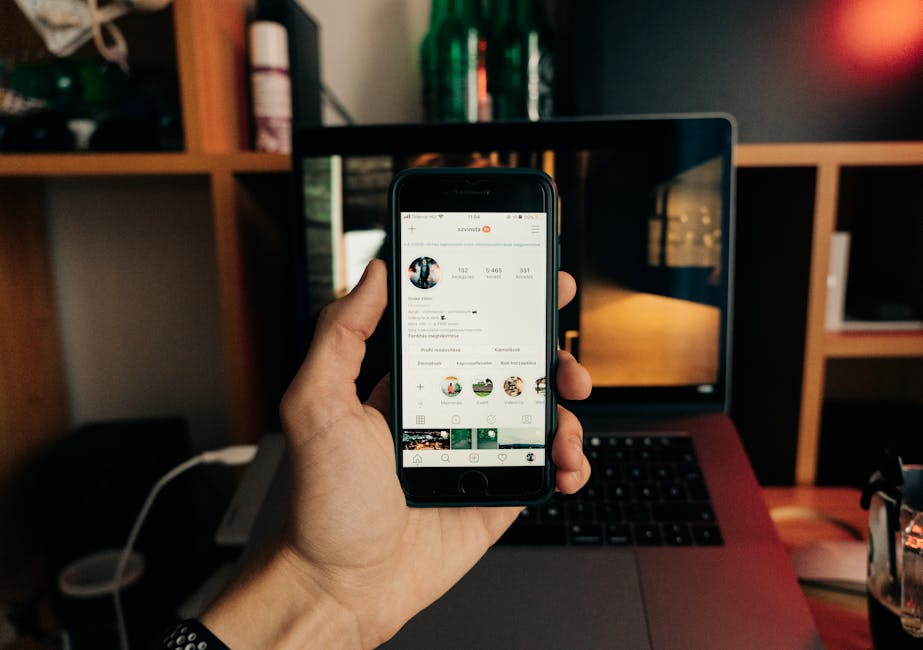
Choosing the wrong influencer can cost your brand real money. You might spend weeks on outreach, pay a creator's rate, and end up with a post that drives zero conversions. The problem usually starts before the campaign: the brand never took time to properly vet the creator. Learning how to vet influencers is one of the highest-leverage skills you can build as a marketer. This guide walks you through a 10-point checklist that covers everything from follower quality to brand values alignment, so you can make confident decisions before committing your budget.
 Photo by Anna Shvets on Pexels
Why Vetting Influencers Matters More Than Ever
A few years ago, brands could get away with picking creators based on follower count alone. Today, that approach is a fast track to wasted budget. Fake followers are easy to buy, engagement can be manufactured, and surface-level metrics rarely predict actual campaign results.
The influencer marketing industry has matured. Audiences are savvier. Brands that win are the ones doing proper due diligence before signing any deals. A good vetting process protects you from fraud, misaligned audiences, and brand safety issues that can spiral quickly.
Vetting also helps you build a stronger roster of creators over time. When you document what you look for and what worked, you develop a repeatable system. That system becomes a real competitive advantage, especially when you are managing multiple campaigns at once.
The 10-Point Checklist to Vet Influencers
Go through each of these points before committing to any partnership. You can review a creator in 15 to 20 minutes when you know exactly what to look for.
1. Audience size and tier
Match the creator's follower count to your campaign goals. Mega influencers with over one million followers deliver broad reach but typically lower engagement rates. Micro influencers with 10,000 to 100,000 followers usually drive stronger trust and conversion. Pick the tier that fits your objective, not just the one with the biggest numbers.
2. Engagement rate
Divide the average likes and comments per post by the total follower count, then multiply by 100. A healthy engagement rate sits between 2% and 6% for most platforms. Anything significantly lower is worth questioning. A creator with 500,000 followers and 400 likes per post has an engagement problem worth investigating before you proceed.
3. Follower quality
High follower counts mean little if the followers are bots or inactive accounts. Scroll the comment section and look for genuine responses. Specific questions, personal stories, and real conversations are signs of an engaged community. Generic comments like "Love this!" repeated across dozens of posts often signal purchased engagement.
4. Audience demographics
Ask the creator for a media kit, or use a tool to pull their audience data directly. Verify that their followers match your target customer profile in terms of age, location, gender, and interests. A haircare brand targeting women aged 25 to 44 in North America needs that specific audience, not a general global following skewed toward teenagers.
5. Content quality
Spend a few minutes scrolling through the last 15 to 20 posts. Is the photography sharp? Are the videos well-lit and edited? Do the captions show real thought and personality? Consistent, high-quality content signals that a creator is professional and takes their platform seriously. Poor production quality reflects on your brand too.
6. Content relevance
Look at what the creator actually talks about day to day. A fitness influencer promoting healthy snacks is a natural, believable fit. The same creator promoting enterprise accounting software is not. Relevance builds credibility. When a creator's content naturally connects to your product, their audience is far more likely to trust the recommendation.
7. Sponsorship frequency and brand history
Check how often the creator posts paid content. An account where every second or third post is an ad can feel like a commercial channel rather than a trusted voice. Look at which brands they have worked with before. Past partnerships with your direct competitors may be a dealbreaker depending on your category.
8. Values and voice alignment
Read the captions. Watch a couple of videos. Does this creator's personality feel like a genuine fit for your brand? A premium wellness brand and a creator known for sarcastic, irreverent humor may have audiences that do not overlap in the way you want. Values alignment is harder to measure but easy to sense when you spend time with a creator's content.
 Photo by
 9. Audience sentiment
Go beyond the numbers and read how followers actually talk to the creator. Do people share personal experiences in the comments? Do they ask follow-up questions? Do they tag friends? Positive, specific sentiment is a sign that the creator has genuine influence over their community, not just passive viewers scrolling past their posts.
10. Past campaign performance
If you can access it, review verified data from the creator's previous brand partnerships. Engagement benchmarks, click-through rates, and sales attribution numbers tell a clearer story than any media kit. Platforms like Bizkol's AI influencer discovery tool surface verified performance history so you can evaluate real campaign results before you ever write the first outreach email.
Red Flags You Should Never Ignore
Even creators who look great on paper can have issues worth catching early. Here are the warning signs that should give you pause.
A sudden spike in follower count with no obvious explanation is one of the clearest signs of purchased followers. You can spot this by looking at a creator's follower growth history over the past six to twelve months. Organic growth tends to be gradual and steady. A vertical spike almost always points to something artificial.
Watch for audience mismatch too. A creator based in the US with a media kit that claims to reach American women aged 25 to 34 might actually have 60% of their audience coming from South Asian countries with very different purchasing power. This kind of mismatch shows up when you look at the actual demographic breakdown, not the pitch deck.
Past controversies deserve a quick check as well. Searching the creator's name alongside words like "controversy," "drama," or "cancel" takes about two minutes. Finding something minor from years ago is usually manageable. Finding something recent and unaddressed is a different matter. Brand safety is far cheaper to protect before a campaign than to repair after one.
How AI Tools Speed Up the Vetting Process
Manual vetting works well when you are evaluating five or ten creators. When you are reviewing fifty or a hundred for a bigger campaign, it becomes a full-time job on its own. That is where AI-powered tools make a significant difference.
Using AI-powered KOL matching lets you screen creators against your audience criteria, engagement benchmarks, and brand fit requirements automatically. Instead of opening fifteen browser tabs and doing the math yourself, you get a scored shortlist in seconds. The time savings add up fast when you are running campaigns regularly.
AI tools also surface patterns that humans tend to miss. Unusual follower growth curves, engagement rate anomalies, and audience overlap with competitor brands are all things an algorithm can flag instantly. If you are running influencer outreach at scale, automated vetting becomes part of your standard workflow rather than an extra step.
 Photo by Vitaly Gariev on Pexels
Building Vetting Into Your Standard Workflow
The best vetting process is the one you actually use consistently. That means making it simple enough to run for every creator, not just the ones you are uncertain about.
Build a scoring sheet with your 10 checkpoints and rate each one on a simple scale. Set a minimum threshold for moving a creator forward. Anyone who does not hit the threshold gets filtered out before you invest time in a relationship. This keeps your process objective and your decisions defensible when you are reporting back to clients or leadership.
Document your vetted creators in a running list. Every time you complete due diligence on a creator, save the results. Over months of doing this, you build a library of pre-vetted talent you can tap for future campaigns without starting from scratch every time.
Revisit your criteria regularly too. The influencer landscape shifts. Platforms change their algorithms, new creator tiers emerge, and audience expectations evolve. What worked last year might not be the right filter for today's campaigns.
A Stronger Process Leads to Stronger Results
Knowing how to vet influencers is what separates brands that consistently get results from those that waste budget on misaligned partnerships. The 10-point checklist in this guide gives you a clear, practical framework for evaluating any creator, whether you are running your first campaign or your fiftieth.
Start by applying the checklist manually to your next batch of candidates. Once the process feels natural, layer in AI tools to handle the volume. The goal is a vetting process that is fast, repeatable, and rigorous enough to catch the issues that matter before they become costly mistakes.
Start your free trial at Bizkol
Photos provided by Pexels