

B2B influencer marketing has quietly become one of the most reliable ways for software, services, and professional brands to fill a pipeline. It is not about flashy unboxings or viral dances. It is about earning trust from buyers who already follow the experts shaping their industry. When a respected operator, analyst, or practitioner says your product helped them solve a real problem, the people in their feed listen with a different kind of attention.
The shift is happening for a simple reason. Buying committees in B2B now research vendors quietly through podcasts, newsletters, LinkedIn posts, and Slack communities long before they ever fill out a demo form. By the time a buyer talks to sales, they have already watched five videos and read three opinion pieces from people they trust. Thought leaders sit at the center of that journey. This guide walks through what B2B influencer marketing actually looks like in 2026, why it drives pipeline rather than just awareness, where to find the right voices, how to run a program end to end, and how to measure what is working.
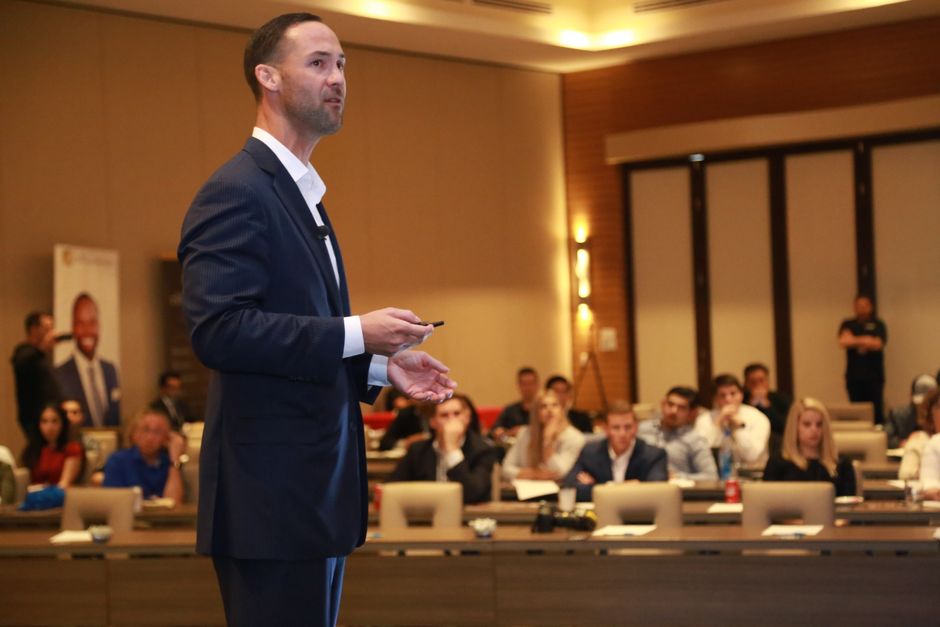 Photo by Jeremy McGilvrey on Pexels
What B2B Influencer Marketing Looks Like Today
The cliché image of an influencer is a 22 year old on TikTok holding a serum. That is not what works in B2B. The people who move pipeline for software vendors and service firms are usually senior practitioners with 5,000 to 50,000 followers on LinkedIn, a podcast, or a paid newsletter. Their audience is small in absolute terms but very high in fit. A CFO with 12,000 followers may have 4,000 finance leaders inside her audience. That is more reach into your buying committee than most paid campaigns can promise.
These creators rarely call themselves influencers. They show up as fractional CMOs, recovering founders, head of platform engineers, supply chain consultants, and venture partners. Many already speak at industry events and write for trade publications. The content they make for brands looks like the content they make every day, which is why their audience does not tune it out.
B2B influencer marketing today usually combines three formats. First, organic posts and threads on LinkedIn or X where the creator shares their honest experience using your product. Second, longer assets like a co produced podcast episode, a webinar, or a research report. Third, in person credibility plays such as a sponsored panel, a roundtable dinner, or a keynote slot at your event. The deeper the asset, the more pipeline it tends to drive.
Why Thought Leaders Drive Pipeline, Not Just Awareness
Most marketing teams treat influencer spend as a brand line item. In B2B that is a mistake. When done right, this channel directly produces sourced and influenced pipeline that closes faster than cold outbound or paid search.
The reason comes down to trust transfer. Buyers in regulated, expensive, or high stakes categories do not trust ads. They trust people who have done the job. A LinkedIn post from a respected CISO saying she vetted your security posture and now uses you internally collapses six months of evaluation into one read. Buyers reach out warm. Sales cycles compress. Win rates climb.
There is also a hidden compounding effect. A great thought leader piece keeps working long after the campaign ends. LinkedIn posts surface in search. Podcast episodes get listened to for years. Newsletter mentions get screenshotted into Slack channels. The shelf life of a strong B2B creator asset can be 12 to 24 months, which makes the per dollar return on a single placement much higher than the math people first run.
If your team is still treating influencer activity as a brand awareness exercise, revisit your influencer marketing KPIs and tie creator outputs to sourced pipeline, demos booked, and closed won revenue. That single reframing will change how the program is funded.
Where to Find the Right B2B Voices
The right creator for B2B is rarely the loudest one. The signal you want is depth of relationship with a specific buyer persona. A creator with 8,000 followers who runs a private community of 600 RevOps leaders is more valuable for a RevOps tool than someone with 200,000 generic marketing followers.
 Photo by LinkedIn Sales Navigator on Pexels
Here is where most B2B brands look for thought leaders, and what each surface is good for.
| Surface | Best for finding | Watch out for |
|---|---|---|
| Senior operators, fractional execs, analysts | Engagement pods that inflate metrics | |
| Podcasts | Long form storytellers, niche category experts | Show fit matters more than download count |
| Newsletters | Decision makers in narrow verticals | Open rate transparency varies widely |
| Slack and Discord | Community owners with high trust | Hard to scale, often invite only |
| Industry events | Speakers and recurring panelists | Travel and sponsorship costs add up |
Beyond surface, screen for three things. Do their last 20 posts speak directly to your buyer? Do their comments come from real practitioners and not just other creators? And do they have a repeatable engagement pattern, meaning every post lands consistently rather than spiking once a year?
AI discovery tools can pull a long shortlist faster than a human team can. They look at audience composition, comment quality, and topic depth across millions of profiles. A team that used to spend two weeks on creator sourcing can now do it in an afternoon and spend the saved time on relationship building, which is the part that actually wins B2B partnerships.
How to Run a B2B Influencer Program From Brief to Pipeline
A B2B influencer program lives or dies on the brief. The brief is the document that tells a creator what story you want told, what proof points to use, what the call to action is, and what success looks like. Without a sharp brief, you get generic content that does not move buyers.
Start with the buyer pain. Not the product. If you sell a sales engagement platform, the brief should not say "explain why our cadence engine is great." It should say "explain why most outbound sequences fail and what a better one looks like, then show how the creator solves that with our platform." The product is the resolution to a problem the creator already cares about.
Next, set the scope. A typical B2B engagement runs four to twelve weeks and includes one anchor asset such as a podcast episode or webinar, three to five organic posts, and one repurposed long form piece such as a guide or research write up. The total cost ranges from a few thousand dollars for a single rising voice to six figures for a deeply embedded multi quarter relationship with a category defining expert.
Outreach should be direct and respectful. Skip the templated pitches. Reference a specific post or episode of theirs, explain why you think their audience would benefit, and offer a concrete starting point. Many brands now automate parts of influencer outreach so the first touch is fast while the response is still personal.
Once a creator is signed, give them creative freedom inside guardrails. Tell them what claims you cannot make, share three or four proof points or customer stories, then trust them to write in their voice. The biggest mistake B2B teams make is over editing creator copy until it sounds like a press release. The voice is the value. Protect it.
If you are running this across many brands or accounts, the same playbook applies but the operating model gets heavier. A good overview of multi account workflows lives in this guide on KOL marketing for agencies.
How to Measure What Is Working
B2B influencer marketing is measurable. The trick is to stop borrowing consumer metrics and start tracking what your CFO already cares about.
 Photo by Lukas Blazek on Pexels
Build your dashboard around four layers. Reach and engagement come first, but treat them as inputs, not outcomes. Then track demand signals such as branded search lift, direct traffic from creator content, and form fills tagged with a campaign UTM. Then layer pipeline metrics including sourced opportunities, influenced opportunities, and pipeline created within 60 days of a creator piece going live. Finally, look at revenue. Closed won deals tied to a creator touchpoint and the average deal size compared to other channels.
Two practical tips help here. First, give every creator a unique landing page or a clean UTM. The volume may look small at first but the conversion rate is often two to four times higher than paid search because the traffic is qualified. Second, ask your sales team to log "where did you first hear about us" notes in their discovery calls. You will be surprised how often a podcast episode from six months ago shows up in the answer.
If your program is working, you should see three patterns within one to two quarters. The cost per opportunity drops below your paid search benchmark. Your sales cycle on creator influenced deals shortens by 10 to 30 percent. And your win rate ticks up because reps are walking into already warm conversations.
Bringing It All Together
B2B influencer marketing is not a side experiment anymore. It is one of the highest leverage growth channels available to software and services brands in 2026 because it goes directly to where buyers are forming opinions. The brands winning here treat creators as long term partners, brief them with sharp buyer focused stories, give them creative freedom, and measure the work all the way down to revenue.
The good news is the playbook is now repeatable. With the right tools to find creators, manage outreach, and track performance across platforms, a small marketing team can run a program that competes with much larger competitors. If you want to see how Bizkol helps you discover B2B thought leaders, manage outreach at scale, and measure pipeline impact in one place, we can show you in a quick demo.
Start your free trial at Bizkol
Photos provided by Pexels