

Every brand that pays a creator, gifts a product, or offers a commission is responsible for FTC influencer disclosure. This is not a creator problem you can hand off. The Federal Trade Commission treats the brand and the influencer as partners in the same message, which means a missing or buried disclosure can land on your desk, not just theirs. In 2026 the rules are stricter, the audits are faster, and the penalties are real. This guide walks you through what the FTC actually requires, who carries the liability, how to disclose on every major platform, and how to build compliance into your program so it runs without drama.
 Photo by
 If you run any kind of paid or gifted creator program, this is the one area where guessing is expensive. The good news is that the rules are mostly common sense once you understand the logic behind them. Disclosure exists so the audience knows when someone is being paid to say something. Get that right and most of your compliance work is done.
Why FTC Influencer Disclosure Matters in 2026
The FTC updated its Endorsement Guides in 2023, and enforcement has only sharpened since. The agency now sends Notices of Penalty Offenses to companies, and once a brand has received that notice, it can face civil penalties of up to $50,120 per violation. Picture a single campaign with twenty creators, each posting three times. That is sixty posts. If each one counts as a violation, the math gets frightening very quickly.
The 2026 landscape adds a few new pressures. AI-generated personas and AI-enhanced endorsements now fall under the same honesty rules, so a synthetic creator still has to make a paid relationship clear. Regulators have also gotten faster at spotting patterns, partly because they use the same kind of social monitoring tools that marketers do. A disclosure that was easy to miss two years ago is easy for an automated sweep to flag today.
There is a brand-safety angle too. When an audience feels tricked, trust drops, and trust is the entire reason influencer marketing works. A clear disclosure signals confidence. Hidden sponsorship signals the opposite. The brands winning right now treat disclosure as part of good storytelling, not a legal tax bolted on at the end.
So the question is not whether to disclose. It is how to do it in a way that satisfies the FTC, protects your budget, and still feels natural to the audience. That starts with one core standard.
What the FTC Clear and Conspicuous Standard Actually Requires
The heart of every rule is a single phrase: clear and conspicuous. A disclosure has to be hard to miss. The FTC does not hand you a magic word or a single approved format. Instead it asks whether an ordinary viewer, scrolling at normal speed, would actually notice and understand that the post is sponsored.
 Photo by Mikhail Nilov on Pexels
In plain terms, clear and conspicuous breaks down into a few practical tests. The disclosure must be easy to see, easy to read, and placed where people will catch it before they engage with the content. It needs to use plain language that a normal person understands. And it must appear in the same way the message does, so a spoken endorsement needs a spoken or on-screen disclosure, not just a line buried in a caption.
Words like "ad," "sponsored," "paid partnership," or "Brand X gave me this product" all work because they are direct. Vague tags do not. The FTC has said terms like "thanks," "collab," "sp," "ambassador," or a lone "#partner" are not enough on their own, because a casual viewer may not connect them to a paid deal. The safest approach is to spell it out.
Placement is where most brands slip. A disclosure hidden below a "more" cutoff, stacked at the bottom of a wall of hashtags, or shown for half a second in a video usually fails. The standard is simple to remember even if it is easy to forget under deadline pressure. Here is how the clear-and-conspicuous test maps to real choices.
| Test | Passes | Fails |
|---|---|---|
| Visibility | "Ad" at the start of the caption | Disclosure after the "more" link |
| Language | "Sponsored by Brand X" | "sp" or "collab" alone |
| Format match | Spoken disclosure in a video | Caption-only note on a video |
| Timing | Shown before the pitch | Flashed at the very end |
| Standalone | Its own line or overlay | Buried in a hashtag block |
When you are not sure whether something passes, ask one question. Would a tired person scrolling on a phone notice this in the first second? If the answer is no, move it up, make it bigger, or say it out loud.
Who Is Liable When a Post Breaks the Rules
This is the part that surprises brand teams. The FTC operates on shared liability. The creator is responsible for following the rules, and so is the brand that hired or gifted them. You cannot fully outsource the risk by pointing at the influencer's contract. If you knew or should have known that a creator was posting without proper disclosure and you did nothing, the agency can come after your company directly.
That sounds scary, and it should get your attention, but it also points to a clean solution. The brands that stay safe are the ones that build disclosure into how they work, not the ones that hope every creator remembers. Three habits cover most of your exposure.
First, put the disclosure rules in writing in every agreement. Spell out the exact wording you expect, where it must appear, and the consequence for skipping it. A strong influencer marketing contract template makes this routine rather than a conversation you have to repeat for every deal.
Second, monitor live posts. Check that each creator actually disclosed, in the way you agreed, before you call a deliverable complete. This is also where most disputes start, so a clear paper trail protects you. If a partnership ever sours, having documented your disclosure requirements helps enormously, which is one reason influencer contract disputes so often turn on what was written down ahead of time.
Third, train your creators. Many disclosure failures are not defiance. They are confusion. A one-page brief that shows good and bad examples removes the guesswork and protects everyone. The goal is a program where doing the right thing is the path of least resistance.
How to Disclose on Each Platform
Every platform has its own quirks, and a disclosure that works on a static photo can fail on a fast video. The FTC cares about the result, not the tool, so built-in labels like Instagram's "Paid partnership" tag are helpful but not always enough on their own. Pair platform tools with a plain-language disclosure in the content itself.
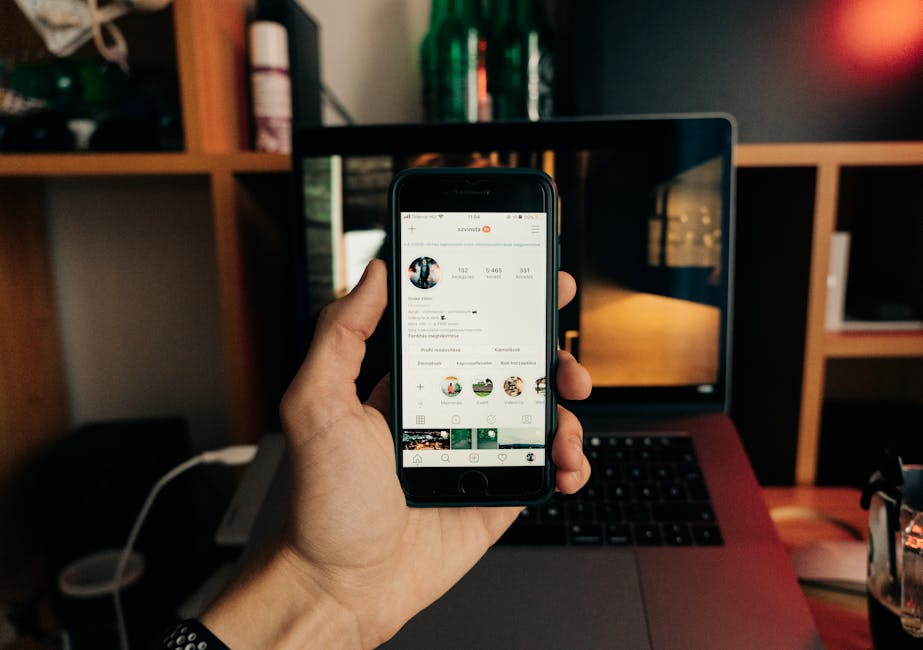 Photo by Szabó Viktor on Pexels
The trickiest formats are video and audio. For short-form video on TikTok, Reels, or Shorts, viewers often watch with the caption hidden, so the disclosure should be both spoken and shown as on-screen text early in the clip. For livestreams, the creator should repeat the disclosure throughout, because viewers join at different moments. A single line at the start does not reach the person who tunes in ten minutes later.
Here is a quick reference for the major channels and what a passing disclosure looks like on each.
| Platform | Best placement | Example |
|---|---|---|
| Instagram feed | "Paid partnership" label plus caption start | "Ad. Loving this new blender from Brand X" |
| Instagram Stories | On-screen text sticker, not just the label | "Sponsored" text over the clip |
| TikTok and Reels | Spoken plus on-screen text in first seconds | "This video is sponsored by Brand X" |
| YouTube | Verbal callout plus a line in the description | "Thanks to Brand X for sponsoring today" |
| Blog or newsletter | A clear note above the content | "This post is sponsored by Brand X" |
A few extra notes save headaches. Disclosures should be in the same language as the post. They should stay visible long enough to read. And they should never be hidden behind a click, a hover, or an expandable section. If a viewer has to work to find the disclosure, it does not count. When you brief creators, give them the exact line to use for their platform so there is no room for a vague tag to sneak in. This level of detail also makes the rest of your campaign smoother, which is why disclosure should be baked into the very first step of how to run an influencer marketing campaign.
Building FTC Compliance Into Your Influencer Program
Compliance is not a one-time review. It is a system that runs in the background of every campaign. The brands that never lose sleep over disclosure have turned it into a checklist that lives inside their normal workflow, so no single person has to remember everything.
Start at the contract stage. Your agreement should name the required disclosure language, the placement rules per platform, and the fact that payment depends on correct disclosure. That last point is powerful. When the final payment is tied to compliant posting, creators have a direct reason to get it right.
Next, give every creator a short brief before they post. One page is enough. Show two or three approved disclosure lines, a good example, and a bad example. People copy patterns, so make the right pattern the easiest one to follow. This single document prevents most of the confusion that leads to weak tags.
Then verify before you approve. Build a simple step into your process where someone confirms the disclosure is present, clear, and placed correctly on the live post. Save a screenshot. This record is your proof of good-faith effort, and it is exactly what protects you under shared liability if a question ever comes up. Here is a lightweight checklist you can drop into your own process.
| Stage | Action | Why it matters |
|---|---|---|
| Contract | Require exact disclosure terms | Sets expectations and ties pay to compliance |
| Brief | Share good and bad examples | Removes guesswork for creators |
| Pre-publish | Approve the disclosure wording | Catches problems before they go live |
| Live post | Verify and screenshot | Builds your proof of diligence |
| Archive | Store records for each post | Protects you in a dispute or audit |
Finally, keep your records. Store the contract, the brief, the approved post, and the screenshot for every creator. If you ever face an inquiry, this archive turns a stressful situation into a quick reply. Most disclosure trouble comes from gaps in the process, not from bad intentions, so closing those gaps is the whole game.
The same tools you use to find and manage creators can carry your compliance load too. When your outreach, briefing, and tracking all live in one place, disclosure becomes one more field you check rather than a separate project. That is the difference between a program that scales and one that creates risk every time it grows.
Common FTC Disclosure Mistakes Brands Still Make
Even careful teams trip over the same few issues, and almost all of them come from treating disclosure as an afterthought. Knowing the common traps ahead of time is the fastest way to avoid them.
The first mistake is relying on platform labels alone. Built-in tools like the paid partnership tag are useful, but the FTC has been clear that a platform label may not be enough on its own. A viewer who misses the small label still needs to see a plain disclosure in the post itself. Treat the label as a bonus, not your whole defense.
The second mistake is disclosing in the wrong format. A spoken endorsement in a video needs a spoken or on-screen disclosure, not a single line tucked into the description. People do not always read captions, and they almost never expand them. If the claim is heard, the disclosure should be heard or seen at the same moment.
The third mistake is treating gifted products as exempt. Many brands assume disclosure only applies when cash changes hands. It does not. Free products, free trips, affiliate commissions, and even ongoing ambassador perks all count as a material connection. If you gave a creator something of value and they posted about it, that relationship needs to be clear.
The fourth mistake is letting old posts sit uncorrected. If you spot a creator post that lacks proper disclosure, the safest move is to fix it quickly and document the correction. Ignoring it is what creates the should-have-known exposure that the FTC cares about under shared liability. A fast fix shows good faith.
How Disclosure Connects to Long-Term Brand Trust
It helps to remember why these rules exist in the first place. The FTC is not trying to ruin good content. It is trying to protect the audience from hidden persuasion. When you frame disclosure that way, it stops feeling like a burden and starts feeling like part of your brand promise.
Audiences are smarter than they used to be. Most people already assume that a polished post featuring a product is sponsored in some way. A clear disclosure does not break the spell. It confirms what viewers suspected and rewards them with honesty. That honesty is what keeps a creator's recommendation worth something over time.
There is also a practical payoff. Creators who disclose well tend to keep their audiences longer, which makes them better long-term partners for your brand. A creator who hides sponsorships and gets called out can lose trust overnight, and that damage spills onto the brands they promoted. Choosing partners who disclose cleanly is part of choosing partners who will still be effective a year from now.
Finally, strong disclosure habits make every future campaign easier. Once your contracts, briefs, and review steps include disclosure by default, you stop reinventing the process for each deal. Your team moves faster, your creators know exactly what to do, and your legal risk shrinks at the same time. Good compliance and good marketing end up pulling in the same direction.
A simple way to keep this momentum is to review your disclosure rules once a quarter. Platforms change their tools, the FTC refines its guidance, and your roster of creators grows. A short quarterly check, where you update your brief, confirm your contract language, and spot check a few recent posts, keeps your program current without much effort. Treat it like a smoke alarm test. It takes minutes and saves you from the rare but costly failure.
Make Disclosure a Strength, Not a Worry
FTC influencer disclosure looks intimidating from the outside, but it comes down to a simple promise. Tell the audience the truth, make that truth easy to see, and write it all down. Do those three things and you protect your budget, your brand, and the trust that makes creator marketing work in the first place. Clear disclosure is not a tax on great content. It is part of what makes great content believable.
If you want to run influencer campaigns where compliance is built in from the first message instead of bolted on at the end, Bizkol helps you find creators, brief them, and track every post in one place.
Start your free trial at Bizkol
Photos provided by Pexels