

Beauty influencer marketing is one of the most reliable ways to grow a cosmetics or skincare brand today. Shoppers trust real people showing real results far more than they trust a polished studio ad. When a creator applies your foundation on camera and it actually looks good, that moment does more selling than any billboard ever could.
The beauty space is also where creator marketing was basically born. Makeup tutorials, get ready with me clips, and honest product reviews have been shaping buying decisions for over a decade. That means the playbook is mature, the audiences are engaged, and the path from a creator post to a sale is short. This guide walks you through how to build a program that works.
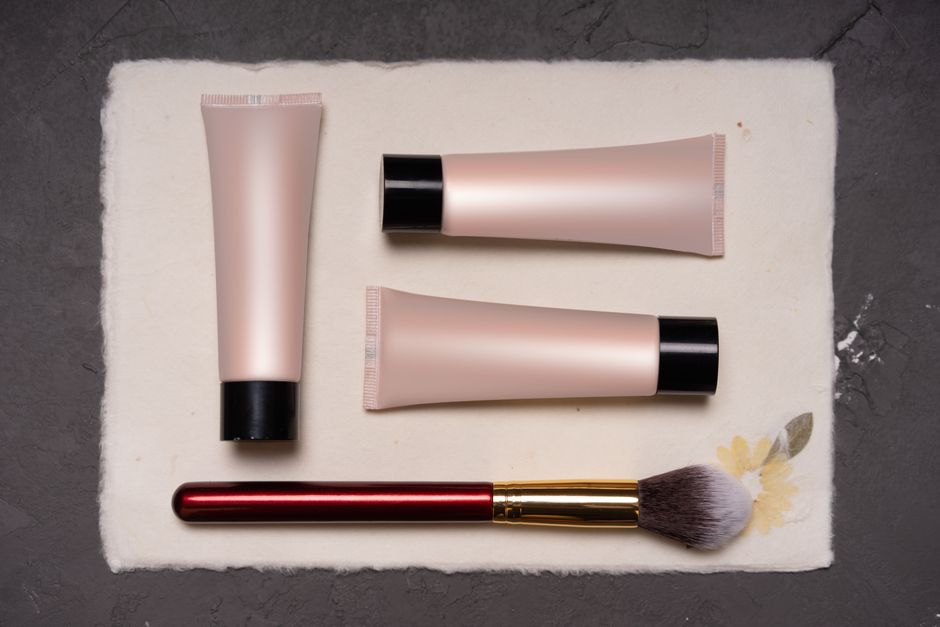 Photo by Atlantic Ambience on Pexels
Why Beauty Influencer Marketing Works So Well
Beauty is visual, personal, and emotional. People want to see how a product performs on someone who looks like them before they buy. A creator with combination skin or a deeper skin tone can answer questions your product page never will.
The category also rewards repetition. A shopper might see your lip oil three or four times across different creators before they finally add it to cart. Each mention builds a little more trust. Because beauty content gets saved, rewatched, and shared, your investment keeps working long after the post goes live.
There is also strong purchase intent baked in. Someone watching a foundation review is often already shopping. They are comparing shades, checking coverage, and looking for a reason to commit. Your creator gives them that reason.
How to Find the Right Beauty Creators
Finding the right creators matters more than finding famous ones. A nano creator with 8,000 highly engaged followers who all love clean skincare can outperform a celebrity with millions of passive fans. Start by mapping creators to your exact niche, whether that is clean beauty, bold makeup looks, textured hair, or mature skin.
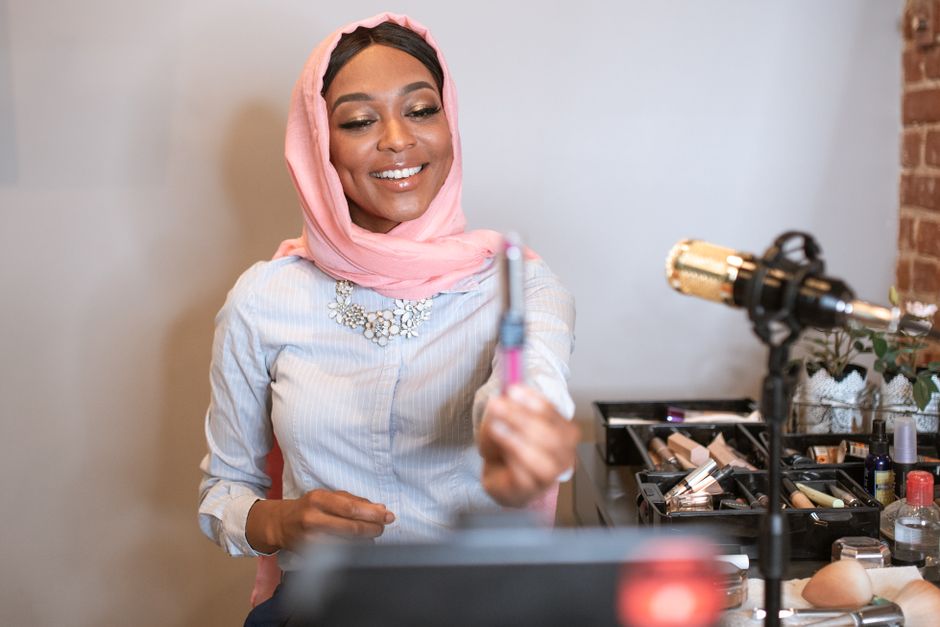 Photo by RDNE Stock project on Pexels
Look at three things before you reach out. First, does their audience match your target customer in age, location, and interests. Second, is their engagement genuine and consistent, not spiky and suspicious. Third, does their content style fit your brand, since a chaotic glam creator may clash with a minimalist skincare line.
Vetting is where most brands slip up. Fake followers and inflated numbers are common in beauty, so always dig past the surface metrics. Our guide on how to detect fake followers walks through the warning signs, and how to vet influencers covers the full checklist before you spend a dollar.
Here is a simple way to think about creator tiers for a beauty program.
| Creator tier | Follower range | Best use | Typical strength |
|---|---|---|---|
| Nano | 1K to 10K | Seeding, honest reviews | High trust, low cost |
| Micro | 10K to 100K | Tutorials, conversions | Strong engagement |
| Mid | 100K to 500K | Launches, reach | Balance of scale and trust |
| Macro | 500K plus | Awareness, hype moments | Broad visibility |
For most brands, a base of nano and micro creators drives the steadiest returns, with a few larger creators sprinkled in for launch moments.
Building Campaigns That Drive Sales
The strongest beauty campaigns give creators a clear job but plenty of creative room. Tell them the key message and the must include points, then let them speak in their own voice. Their audience follows them for a reason, so a scripted read will fall flat.
Product seeding is a smart place to start. You send free product to a group of creators with no strict obligation, and the ones who love it post naturally. This builds a library of authentic content and helps you spot which creators are worth a paid partnership later. Gifting feels low pressure and often produces your most believable content.
For paid work, structure the deal around clear deliverables. A common beauty package includes one main video, two to three story frames, and usage rights so you can reuse the content in ads. Always secure usage rights up front, because top performing creator content often works better as a paid ad than anything your studio produces.
Timing matters too. Align campaigns with product launches, seasonal moments like holiday gifting, or trending formats. When a new makeup trend takes off, brands that move fast with the right creators capture the wave while it is still building.
Content Formats That Actually Convert
Some beauty formats sell better than others, so it helps to steer creators toward proven ones. Get ready with me videos work because they weave your product into a real routine instead of an obvious ad. Viewers stick around and absorb the product naturally.
First impression and honest review videos build trust fast, especially when the creator names a small flaw alongside the praise. That honesty makes the positive points land harder. Before and after content is powerful for skincare, since visible results speak louder than any claim you could write.
Tutorials and how to clips give your product a job to do, showing exactly how to use it and what result to expect. This lowers the fear of buying something a shopper does not know how to use. Mix these formats across your roster so your brand shows up in different ways and reaches shoppers at every stage of their decision.
Measuring What Matters
You cannot improve what you do not track. Set your goals before the campaign starts, then match your metrics to those goals. Awareness campaigns care about reach and views, while conversion campaigns care about clicks, promo code usage, and sales.
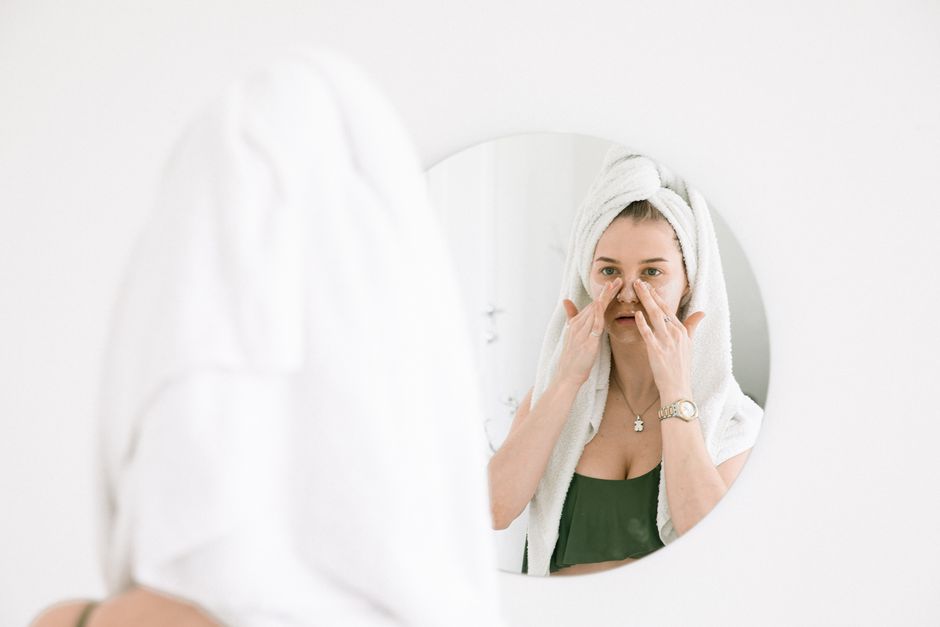 Photo by KATRIN BOLOVTSOVA on Pexels
Give every creator a unique discount code and a tracked link. This turns fuzzy influence into clear numbers you can compare across your roster. You will quickly see which creators actually move product versus which just rack up likes.
Engagement rate, saves, and comments tell you how much a creator resonates, but revenue tells you if the partnership pays for itself. Track both. A creator with modest reach but a strong conversion rate is a keeper, and you should invest more in that relationship over time. For a deeper look at the numbers, see our roundup of influencer marketing ROI statistics.
Choosing the Right Platforms for Beauty
Not every platform suits every beauty brand. Instagram remains the home of polished flat lays, before and after shots, and shoppable posts, which makes it ideal for skincare and premium makeup. Our Instagram influencer marketing guide breaks down how to run it well.
TikTok is where beauty trends are born and where a single viral video can sell out a product overnight. It rewards raw, fast, honest content over glossy production. Younger audiences and impulse buys thrive here, so a bold lip or a surprising skincare hack can travel far. See our TikTok influencer marketing playbook for the details.
YouTube suits deeper content like full routines, honest long form reviews, and tutorials that build serious trust. Shoppers researching a bigger purchase, such as a pricey serum or a device, often watch a ten minute review before buying. The best programs spread across two or three platforms so you reach shoppers at different moments.
Match the platform to your product and your buyer, not to whatever is trending this week. A clean skincare brand may win on Instagram and YouTube, while a playful color cosmetics line may find its people on TikTok first.
Common Mistakes to Avoid
The biggest mistake is chasing follower counts instead of fit. A creator whose audience does not match your customer will never convert, no matter how big they are. Focus on relevance first, size second.
Another trap is over scripting. When you force creators to read stiff talking points, their audience senses it and tunes out. Trust the people you hired to know their followers.
Brands also forget about compliance. Beauty claims and paid partnerships both carry rules, so make sure creators disclose sponsorships clearly and avoid promises your product cannot back up. Cutting corners here can cost you later.
Finally, do not treat creators as one time transactions. The brands that win build long term relationships with a core group of creators who become genuine fans. Repeat partnerships feel more authentic and cost less to manage than constantly recruiting new faces.
Bringing It All Together
Beauty influencer marketing rewards brands that stay consistent, pick the right partners, and measure honestly. Start small with seeding, find the creators who truly convert, and grow those relationships over time. The category is crowded, but authentic creator content still cuts through better than almost anything else.
Managing all of this by hand gets messy fast. Bizkol helps you discover vetted beauty creators, run campaigns, and track real results in one place, so you spend less time on spreadsheets and more time growing.
Start your free trial at Bizkol
Photos provided by Pexels