
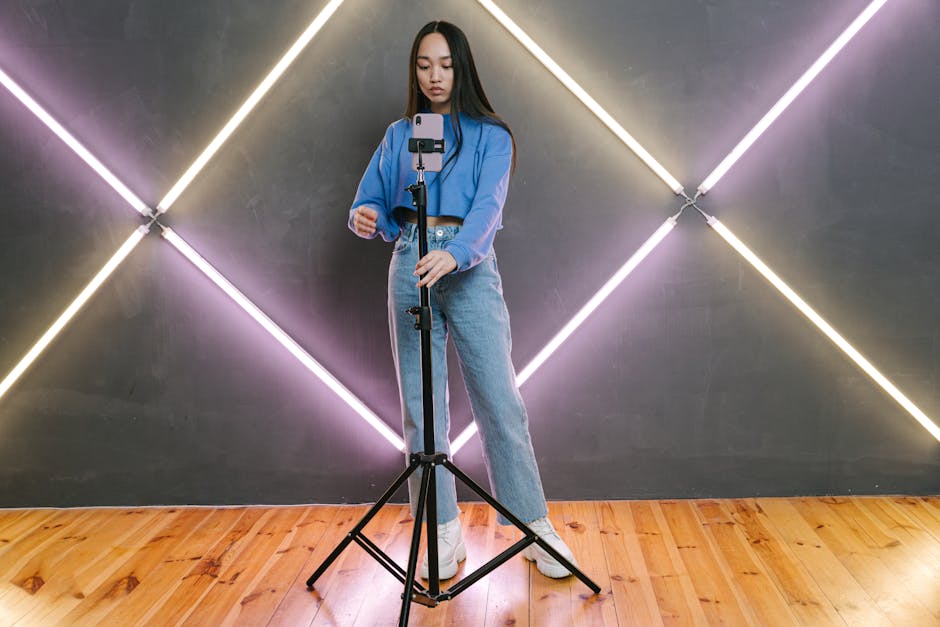
TikTok influencer marketing has become one of the fastest ways for brands to reach real buyers. The platform rewards content that feels native, so a creator with 20,000 followers can outperform a polished ad from a big agency. If you sell to consumers, TikTok is where attention lives, and creators are how you tap into it.
The catch is that TikTok does not work like other channels. What wins on Instagram or YouTube can fall flat here. Audiences scroll fast and skip anything that feels staged. This guide walks you through how to build a TikTok influencer marketing program that drives real sales, not just views.
 Photo by
 Why TikTok Influencer Marketing Works So Well
TikTok runs on discovery, not on who you already follow. The For You feed pushes content to people based on what they watch and engage with, not just on follower counts. This means a small creator can reach hundreds of thousands of people if the content lands.
That changes the math for brands. You do not have to chase celebrity creators with huge fees. A batch of mid-size and small creators often delivers better results per dollar, because their audiences trust them and the algorithm gives strong content a fair shot.
TikTok also drives action. Viewers screenshot products, search for them, and buy. With TikTok Shop now built into the app, the path from watching a video to checking out can take seconds. That tight loop is why so many DTC and ecommerce brands have moved budget here.
The other reason TikTok works is speed. You can brief a creator on Monday, get content live by Thursday, and read results over the weekend. Few channels let you test ideas that fast. That speed lets you learn what your audience responds to and adjust before you have spent your whole budget.
How to Find the Right Creators
Start with fit, not follower count. The best partner is someone whose audience matches your buyer and whose content style suits your product. A skincare brand wants creators who already talk about routines and results, not just anyone with reach.
Look at three things when you vet a creator. First, check the comments, not just the likes. Real questions and tagged friends signal an engaged audience. Second, watch a few of their videos all the way through. Does the content feel honest, and do they keep your attention? Third, ask for their average views over the last month, since follower counts can hide a quiet account that no longer gets pushed by the algorithm.
You can find creators by searching hashtags in your niche, browsing the Creator Marketplace, or using an AI discovery tool that filters by audience and engagement. Manual searching works for a handful of creators, but it gets slow once you want to run real volume. For a deeper look at vetting and outreach at scale, see our guide to micro influencer marketing.
Mix creator tiers so you balance reach and trust. Here is a simple way to think about which tier fits which goal.
| Creator Tier | Follower Range | Best For | Typical Trade-off |
|---|---|---|---|
| Nano | 1K to 10K | High trust, niche launches | Limited reach per post |
| Micro | 10K to 100K | Conversions, steady ROI | Needs volume to scale |
| Mid | 100K to 500K | Reach plus credibility | Higher fees per post |
| Macro | 500K and up | Mass awareness, launches | Lower engagement rates |
Most brands get the best blend of cost and results from nano and micro creators. They charge less, feel more relatable to viewers, and their content tends to spark the comments and shares that the algorithm loves. Save macro creators for big launches where you need a wave of awareness fast.
 Photo by Mikael Blomkvist on Pexels
Building a Brief That Gets Native Content
The biggest mistake brands make on TikTok is over-scripting. If you hand a creator a word for word script, the video will feel like an ad, and the algorithm and the audience will both ignore it. Your job is to set guardrails, then let the creator do what they do best.
A strong TikTok brief covers a few key points. Share the one main message you want viewers to remember. List two or three things the creator must say or show, such as a product name or a key benefit. Note anything they cannot say for legal or brand reasons. Then leave the hook, the format, and the pacing up to them.
Give creators room to use trends. A trending sound or format can lift a video far more than a perfect product shot. Trust that the creator knows what is rising on the platform this week, because they live in the feed every day. The first three seconds matter most, so let the creator craft a hook that stops the scroll in their own voice.
Always ask for a disclosure. Creators should label paid posts clearly, both to follow the rules and to keep their audience's trust. A simple paid partnership tag does the job and protects both sides.
It also helps to give creators a little freedom on volume. Asking for two or three short videos instead of one lets you test different hooks and find the angle that converts. The extra clips often cost little more and give you more chances to land a hit.
Turning Views Into Sales
Reach feels good, but sales pay the bills. To connect TikTok content to revenue, give every campaign a clear way to act and a clear way to measure.
Use TikTok Shop when you sell products that fit it. Creators can tag products so viewers buy without leaving the app, which removes friction and lifts conversion. Pair this with affiliate links or commission deals so creators have a reason to keep posting. Our TikTok Shop affiliate playbook breaks down how to set this up.
For brands not on TikTok Shop, use unique discount codes and tracked links for each creator. Codes are easy for viewers to remember and easy for you to attribute. They also tell you which creators actually drive purchases, not just clicks.
 Photo by Nataliya Vaitkevich on Pexels
Whitelisting is another lever. With a creator's permission, you can run their video as a paid ad from their handle. This scales a winning organic post to a much wider audience while keeping the native feel that makes TikTok content convert. Many brands find that whitelisted creator videos beat their own brand ads on cost per result.
Watch your numbers weekly. Track views, engagement rate, click-through, code redemptions, and cost per acquisition. Kill what is not working and double down on the creators and formats that sell. For a full breakdown of what to track, read how to measure influencer marketing ROI.
Scaling Your TikTok Program
Once you find a format and a creator tier that work, the goal is to repeat it without burning out your team. The brands that win on TikTok treat it like an always-on engine, not a one-time campaign.
Build a roster of creators you can rebrief each month. Repeat partnerships cost less to manage, and creators get better at selling your product over time. A creator on their fourth video for you knows your brand voice and your audience by now, and that familiarity shows in the content.
Refresh your creative often. TikTok burns through formats fast, so what worked last month may feel stale today. Keep a backlog of hooks and angles to test, and let creators bring fresh ideas each cycle. Treat every batch as a new round of small experiments.
As volume grows, lean on tools to handle discovery, outreach, and tracking so your team can focus on strategy. Manual spreadsheets break down once you run dozens of creators at once. If you want to compare where TikTok fits against other channels, our guide to influencer marketing by platform lays out the trade-offs.
Putting It All Together
TikTok influencer marketing rewards brands that move fast, trust creators, and measure what matters. Start small with a handful of well matched creators, give them room to make native content, and tie every post to a trackable action. Then scale the formats that sell.
The brands that treat TikTok as a long term channel, not a quick experiment, are the ones that build durable growth. Find the right creators, brief them well, and let the platform do the rest.
Ready to find and manage TikTok creators without the spreadsheet chaos? Bizkol helps you discover the right creators, run outreach, and track results in one place.
Start your free trial at Bizkol
Photos provided by Pexels