
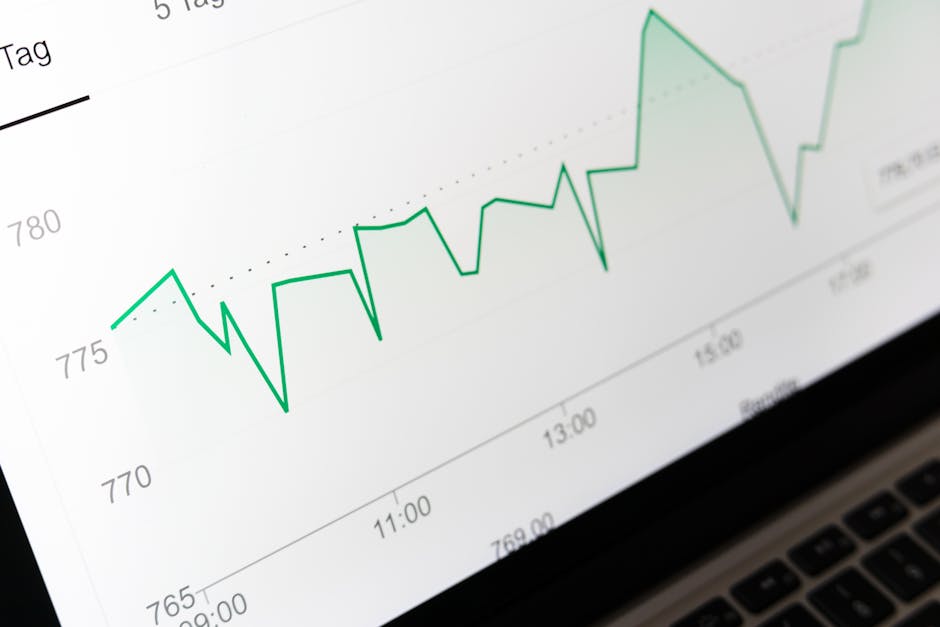
Influencer marketing ROI statistics tell a clear story. Well run creator programs are still one of the highest performing channels in marketing today. Reports from 2024 and 2025 show that the average brand earns roughly six dollars for every dollar spent on influencer partnerships, while top performers report returns of twenty dollars or more. That gap between average and elite is where the real story lives. This post collects the most important influencer marketing ROI statistics from credible industry sources, breaks down what actually drives those numbers, and gives you benchmarks you can use to evaluate your own program. Whether you're building a case for more budget, trying to figure out which creator tier deserves more spend, or simply curious how your program stacks up, the data here will help.
 Photo by Lukas Blazek on Pexels
How Much ROI Does Influencer Marketing Actually Generate?
The headline number most marketers cite comes from annual benchmark reports: brands earn an average of $5.78 in earned media value for every $1 spent on creator partnerships. Other industry surveys put the figure between $5 and $6.50 depending on methodology and sector. That puts influencer marketing comfortably ahead of paid social and roughly on par with email marketing for return per dollar.
But the average tells only part of the story. The same surveys consistently find that the top 13 percent of brands report ROI of $20 or more per dollar spent. The bottom 25 percent see negative returns. The takeaway is simple. Who runs the program matters more than the channel itself.
A few more influencer marketing ROI statistics worth knowing:
- About 89 percent of marketers say influencer marketing ROI is comparable to or better than other marketing channels they use.
- The global creator economy crossed $250 billion in 2024 and is projected to reach $480 billion by 2027 according to Goldman Sachs estimates.
- Brand spending on influencer marketing reached $24 billion in 2024 and is forecast to hit $32.55 billion in 2025.
- 63 percent of marketers plan to increase their creator budget over the next 12 months.
- 80 percent of consumers report having purchased something after seeing it recommended by a creator they follow.
- 49 percent of consumers say they depend on influencer recommendations when making purchase decisions.
For the full mechanics behind these numbers, our guide on how to measure influencer marketing ROI walks through the formulas and tracking setup most teams use.
Influencer Marketing ROI by Creator Tier
One of the clearest patterns in the data is that smaller creators often deliver higher ROI per dollar than mega celebrities. Engagement rate falls as follower count rises, and so do conversion rates on a per impression basis. The tradeoff is reach. You need more partnerships to hit the same total volume.
Here is a quick benchmark of typical performance by tier, drawn from aggregated 2024 industry data:
| Creator Tier | Follower Range | Avg Engagement Rate | Typical Cost Per Post | Common Use Case |
|---|---|---|---|---|
| Nano | 1K to 10K | 4 to 7 percent | $50 to $250 | Trust building, niche reach |
| Micro | 10K to 100K | 3 to 4 percent | $250 to $2,500 | Conversion focused campaigns |
| Macro | 100K to 1M | 1 to 2 percent | $2,500 to $25,000 | Awareness with engagement |
| Mega | 1M plus | Under 1 percent | $25,000 plus | Mass awareness, brand halo |
A few notes on what the table shows. Nano and micro creators carry less reach per partner but win on cost efficiency and authenticity. Macro and mega creators move the brand recognition needle but require larger absolute spend to deliver returns. Many top performing programs now blend tiers, using a small number of macro partners for awareness and a larger pool of micro and nano partners for conversion. For deeper data on the small end of this curve, see our 30 micro influencer statistics every marketer should know roundup.
 Photo by Eva Bronzini on Pexels
Channel and Format Performance
Different platforms produce different ROI profiles. The choice of channel matters almost as much as the choice of creator. These influencer marketing ROI statistics show how the major platforms compare on the metrics brands care about.
Instagram remains the most used platform for influencer marketing, with about 80 percent of brands running campaigns there in 2024. Reels have closed the gap with TikTok on engagement, and Instagram now reports an average ROI of around $4.50 per dollar across formats. The platform still leads on shopping integrations and is often the highest converting channel for fashion and beauty brands.
TikTok delivers the strongest discovery and viral reach numbers. Average ROI on TikTok creator campaigns sits between $5.50 and $7.00 per dollar spent. Video completion rates are roughly 15 percent higher than on competing platforms, and conversion from creator content to product purchase is about 30 percent higher than on Instagram for many ecommerce categories.
YouTube tops the chart for higher consideration purchases. Long form reviews and tutorials drive the strongest reported ROI for products with a price point above $100, with brands citing returns of $6 to $9 per dollar spent. The tradeoff is production cycle time, which can run four to six weeks per partnership and demands more upfront creative direction.
LinkedIn has emerged as the surprise channel for B2B. Creator led posts on LinkedIn now drive a meaningful share of qualified pipeline for software brands that have built dedicated thought leader programs. Reported cost per lead is often 40 percent lower than paid LinkedIn ads when the creator program is run consistently for two quarters or more.
What Drives Strong Influencer Marketing ROI
The ROI data is interesting on its own, but the more useful question is what separates the brands hitting $20 returns from the ones losing money. Five factors show up over and over in case study research.
Creator fit. Brands that vet creators against audience demographics, content style, and brand values report ROI two to three times higher than brands that select on follower count alone.
Content authenticity. Posts that read as native to the creator outperform heavily scripted brand content by an average of 4x on engagement and 2x on conversion. The pattern is consistent across platforms and tiers.
Long term partnerships. Repeat collaborations with the same creator over six months or more deliver 30 to 50 percent higher ROI than single posts. Audiences trust recommendations from creators they see endorsing the brand consistently over time.
Disciplined measurement. Brands using attribution models that track from first impression through purchase report ROI numbers as much as 60 percent higher than brands measuring on engagement only. What you measure shapes what you optimize for.
Speed of operations. Programs that automate creator discovery, outreach, and reporting can run 3x more campaigns per quarter at the same headcount. More volume with the same hit rate equals higher absolute returns.
For a deeper read on the metrics that matter most, our piece on influencer marketing KPIs walks through the 12 numbers worth tracking.
 Photo by Nataliya Vaitkevich on Pexels
How to Improve Your Own ROI Numbers
The influencer marketing ROI statistics above set the benchmarks. Here are the five highest leverage moves brands make to climb from the average tier into the top quartile.
First, audit your current creator roster. Cut the bottom 25 percent on engagement rate and reinvest that budget into the top 10 percent of your existing partners. Most brands find they can grow ROI by 40 percent with this single move alone.
Second, install proper tracking. UTM parameters on every link, dedicated landing pages or promo codes for each creator, and a way to attribute purchases beyond the first click are now table stakes. Without measurement, optimization is pure guesswork.
Third, shift toward micro and nano creators if you are not already there. The cost efficiency at smaller follower counts is the easiest source of margin in the entire program, and the engagement rates speak for themselves.
Fourth, build at least three long term partnerships before chasing more one time campaigns. Repeat creators carry the most weight with their audiences, and the cost per post drops over time as you remove the friction of constantly reonboarding new partners.
Fifth, automate the operational layer. Discovery, outreach, contracting, and reporting eat 70 to 80 percent of staff time on most influencer programs. Tools that handle the routine work free up your team to focus on creative direction and creator relationships, which is where the real ROI lift comes from.
The Bottom Line
The influencer marketing ROI statistics from 2024 and 2025 are clear. This channel works, and it works at scale, but only for brands that run it well. The average brand earns about six dollars for every dollar spent. The best brands earn three to four times that. The difference comes down to creator selection, content authenticity, partnership length, measurement discipline, and operational speed.
If you want to move your numbers into the top quartile, the fastest path is to combine better creator picks with better measurement and better systems for managing the work. Bizkol's AI-powered platform handles discovery, outreach, and tracking so your team can focus on the creative and relationship work that actually compounds ROI over time.
Start your free trial at Bizkol
Photos provided by Pexels