

Ask anyone who runs creator partnerships what their biggest bottleneck is, and you will hear the same answer: outreach. Finding creators, writing personal messages, chasing replies, and tracking every conversation takes hours. When your program grows from 10 creators to 100 or 1,000, that workload does not grow politely. It explodes. The good news is that you can scale influencer outreach without working nights and weekends. The teams that pull it off do not just send more emails. They build systems that multiply each person's effort while keeping every message personal enough to earn a reply.
 Photo by Yan Krukau on Pexels
Why Influencer Outreach Breaks at Scale
Most outreach programs start the same way. One marketer finds creators by hand, writes each message from scratch, and tracks everything in a spreadsheet. At 20 creators a month, this works. At 200, it falls apart.
The math is unforgiving. A thoughtful outreach message takes 10 to 15 minutes to research and write. Reply rates for cold creator outreach typically sit between 10 and 25 percent, so reaching 50 active conversations means contacting 200 to 500 creators. That is 50 to 125 hours of work for a single campaign. No one person can sustain that.
The spreadsheet becomes the second failure point. Once three people share one tracking sheet, creators slip through the cracks. Someone gets two pitches from two teammates. Someone else never gets a follow up because nobody knew whose job it was. Creators talk to each other, and sloppy outreach damages your brand with the exact people you want as partners.
The third failure point is quality decay. When a team is drowning, personalization is the first thing cut. Generic messages tank reply rates, which forces more volume, which causes more burnout. It is a spiral, and the only way out is a system.
Build a Repeatable System Before You Scale Influencer Outreach
You cannot scale chaos. Before adding volume or headcount, document a single repeatable pipeline that every outreach effort follows. Most successful teams converge on five stages.
| Stage | Goal | Owner | Time per creator |
|---|---|---|---|
| Discovery | Find creators who match your audience | Researcher or AI tool | 2 to 5 min |
| Vetting | Check engagement quality and brand fit | Researcher | 3 to 5 min |
| First touch | Send a personalized opening message | Outreach lead | 3 to 5 min |
| Follow up | Two to three spaced touches | Outreach lead | 1 to 2 min |
| Negotiation | Agree on rates, deliverables, timeline | Campaign manager | 15 to 30 min |
Two rules make this pipeline durable. First, every creator lives in exactly one stage at a time, in one shared tool, never in personal notes or private spreadsheets. Second, each stage has one clear owner. When everyone owns outreach, no one does.
Write the pipeline down as a one page playbook. Include the stages, the owner of each, the exit criteria for moving a creator forward, and the maximum time a creator should sit in any stage before someone acts. New hires should be able to read it in ten minutes and start contributing the same day. If your process only exists in someone's head, that person is a single point of failure, and their vacation becomes your bottleneck.
Templates are your next multiplier. Build a small library of opening messages segmented by platform, creator tier, and campaign type, then leave two or three blanks for genuine personalization, such as a specific post you liked or a detail about their audience. Our guide to influencer outreach templates includes ten proven scripts you can adapt. Templates do not make outreach impersonal. They free up the minutes you need to make the personal parts count.
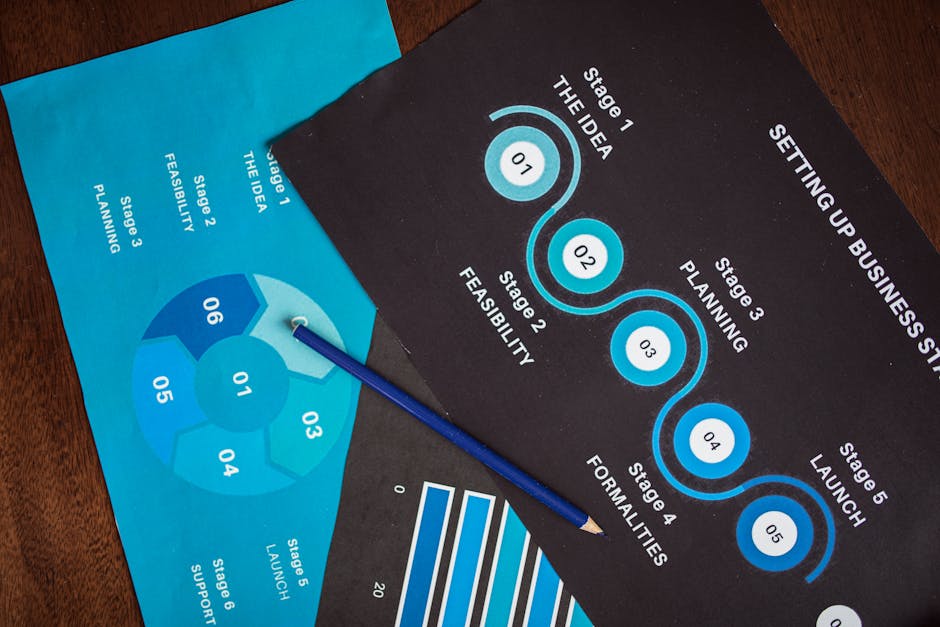 Photo by RDNE Stock project on Pexels
Automate the Busywork, Keep the Human Touch
The fastest way to scale influencer outreach is to stop doing robot work by hand. Discovery and vetting are the clearest wins. AI-powered discovery tools can scan millions of profiles against your audience criteria in minutes, a job that used to eat entire afternoons. The same goes for vetting. Tools can flag fake followers, calculate true engagement rates, and surface audience demographics before a human ever looks at a profile. For a deeper look at which steps to hand off, see our guide on how to automate influencer outreach.
Follow ups are the second automation win. Most replies come after the second or third touch, yet tired teams skip follow ups first. Automated sequences with two or three spaced messages recover those lost replies without any extra human effort. Set the cadence once, then let the system run.
Here is the line you should not cross: automate the schedule, not the relationship. The moment a creator replies, a human takes over. Creators can smell a bot, and nothing kills a partnership faster than realizing the brand never actually read their content. The strongest programs use automation to create time for humans, not to replace them.
A simple test for every task: if it requires judgment or empathy, a person does it. If it requires repetition and memory, software does it. Negotiating rates needs a person. Remembering to send the third follow up on day eight does not.
Team Workflows That Prevent Burnout
Burnout in outreach teams rarely comes from hard work alone. It comes from unclear ownership, invisible progress, and the feeling that the inbox never ends. Structure fixes all three.
 Photo by Yan Krukau on Pexels
Split roles by pipeline stage, not by campaign. When one person handles discovery, another runs first touches and follow ups, and a third manages negotiations, each teammate builds deep skill in one motion instead of context switching all day. Context switching is a silent productivity killer, and outreach involves dozens of switches daily when one person owns everything.
Cap daily outreach volume per person. Quality holds steady up to about 20 to 30 personalized first touches a day. Past that, messages get generic and reply rates drop, so the extra volume buys you nothing. A capped, sustainable pace beats heroic sprints followed by burned out weeks.
Batch similar work into blocks. One hour of pure discovery, then one hour of first touches, then 30 minutes of replies beats a day of jumping between all three. Batching also makes progress visible, which matters more for morale than most managers realize.
Finally, run a weekly 30 minute pipeline review. Look at how many creators sit in each stage, where conversations stall, and which templates are earning replies. This is also where you protect quality: spot check five random outgoing messages a week. If they read like spam, slow down before creators start saying so publicly. Solid vetting habits help here too, and our 10-point influencer vetting checklist keeps quality standards consistent across the whole team.
Metrics That Tell You Scaling Is Working
Volume is the vanity metric of outreach. Sending 1,000 messages means nothing if nobody replies. Track these instead.
Reply rate is your quality signal. Healthy personalized outreach earns 15 to 30 percent replies. If your rate drops as volume grows, personalization is slipping and you are scaling the wrong thing. Segment the number by template and by creator tier so you can see exactly which messages work and which need a rewrite.
Time to first response tells you whether your team can handle current volume. If creators wait more than 24 hours for a human reply after responding, you have outgrown your capacity and need either more automation upstream or another teammate.
Pipeline conversion shows where the system leaks. Measure the percentage of contacted creators who reply, the percentage of replies that reach negotiation, and the percentage of negotiations that close. A weak first number points to targeting or messaging problems. A weak last number points to rates, terms, or slow responses.
Cost per activated creator is the metric leadership cares about. Total outreach hours multiplied by loaded hourly cost, divided by signed creators. As your system matures, this number should fall steadily. If it is not falling, your scaling is adding volume without adding efficiency.
Hours per activated creator is the burnout early warning. If each new partner costs more team hours than last quarter, the workload is compounding and the system needs attention before your people do something about it themselves, like quitting.
Scaling influencer outreach is a systems problem, not an effort problem. Document one pipeline, template the repeatable parts, automate the robot work, give each stage a clear owner, and watch reply rates instead of send counts. Teams that do this consistently run outreach programs of thousands of creators with three or four people, and those people still go home on time. If you want a platform that handles discovery, vetting, automated sequences, and campaign tracking in one place, Bizkol was built for exactly this.
Start your free trial at Bizkol
Photos provided by Pexels