

A great Product Hunt launch can put your product in front of hundreds of thousands of early adopters in a single day. It can also fall completely flat if you show up unprepared. The difference between the two outcomes is rarely luck. It comes down to preparation, community, and a clear plan for launch day itself. This playbook walks you through exactly how to plan, execute, and follow through on a Product Hunt launch in 2026, based on what actually works for the products that reach the top of the leaderboard.
 Photo by Yan Krukau on Pexels
What a Product Hunt Launch Can and Cannot Do
Let's set expectations first. Product Hunt is not a magic growth button. A strong launch typically delivers a spike of traffic, a few hundred to a few thousand signups, valuable early feedback, and a dofollow backlink from a high-authority domain. For most products, the SEO and credibility value outlasts the traffic spike.
What it will not do is build a durable acquisition channel on its own. The visitors are heavily skewed toward makers, marketers, and tech workers. If your buyer is a dentist or a warehouse manager, Product Hunt is a branding moment, not a pipeline. Treat the launch as one distribution event inside a bigger plan, the way a distribution-first founder would.
There is one more benefit people underrate. A launch gives you a deadline. Teams ship faster, tighten their messaging, and finally record that demo video when a public launch date is on the calendar. Even a mid-pack finish leaves you with better assets than you started with.
Preparing for Your Product Hunt Launch: The 4 Week Plan
The best launches are won two to four weeks before launch day. Here is what that preparation window should look like.
Weeks 4 to 3: Foundation. Create or claim your maker profile and spend real time on the platform. Upvote products you like, leave thoughtful comments, and follow people in your space. Product Hunt's community can tell when an account was created three days before a launch. At the same time, lock your positioning. Write your tagline (60 characters max), your one-line description, and your first comment draft.
Weeks 3 to 2: Assets. Produce your gallery. You need a strong first image or animated GIF, three to six additional gallery images, and ideally a short demo video under two minutes. Screenshots with clear captions outperform abstract brand art. This is also the week to line up a hunter if you want one. In 2026 hunters matter less than they used to, since Product Hunt's algorithm weighs community engagement over hunter reach, but a respected hunter still adds credibility.
Weeks 2 to 1: Audience warmup. Tell your email list, your social followers, and your existing users that a launch is coming. Do not ask for upvotes yet. Instead, invite people to your "notify me" teaser page on Product Hunt. Teams that have been building in public have a big advantage here, because their audience already feels invested in the outcome.
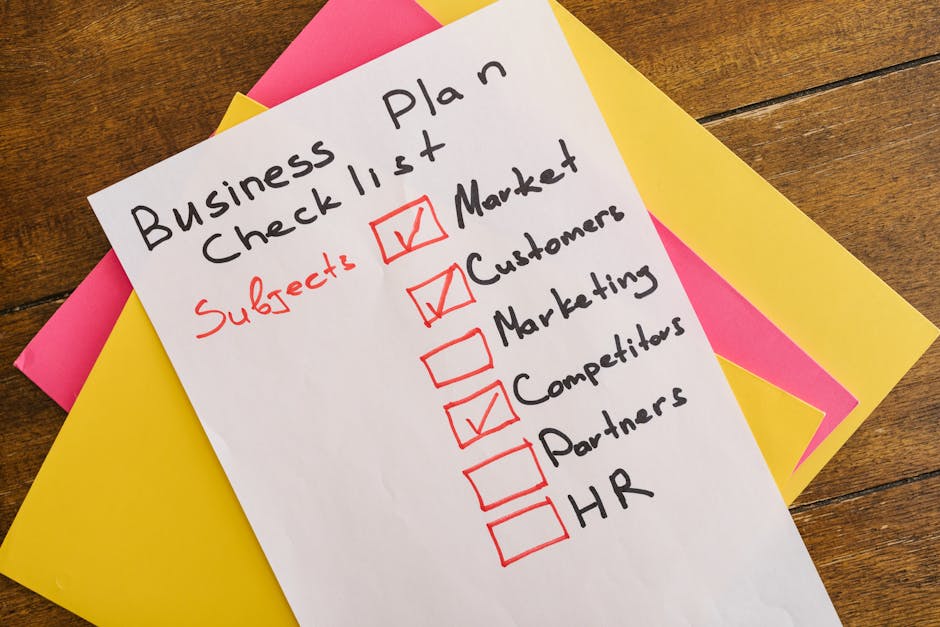 Photo by RDNE Stock project on Pexels
The final week: Rehearsal. Test your onboarding flow with fresh eyes. Prepare answer templates for the questions you expect in the comments. Write your launch-day social posts in advance. Schedule teammates into time blocks so someone is always monitoring the launch. Then get some sleep. One more preparation decision deserves thought: which day to launch. Tuesday through Thursday bring the most traffic but also the toughest competition. Sunday and Monday are quieter, which makes a Product of the Day badge easier to win but delivers fewer eyeballs. If your goal is the badge and the backlink, a quiet day is a smart pick. If your goal is maximum reach, take your chances midweek.
Launch Day: The Hour by Hour Playbook
Product Hunt resets at 12:01 AM Pacific Time. Launching at or shortly after the reset gives you the full 24 hours to collect votes. Most successful teams treat launch day like a live event with clear shifts and roles.
| Time (PT) | What to Do | Who |
|---|---|---|
| 12:01 AM | Go live, post your first comment telling your story | Founder |
| 12:05 AM | Notify your inner circle, close friends and power users first | Founder |
| 6:00 AM | Email your full list, post on all social channels | Marketing |
| 9:00 AM | Reply to every comment, share early milestones publicly | Whole team |
| 12:00 PM | Second social push with a different angle or metric | Marketing |
| 3:00 PM | Personal outreach to communities where you are a member | Founder |
| 6:00 PM | Final push to West Coast and APAC audiences | Whole team |
| 11:00 PM | Thank supporters publicly, screenshot your result | Founder |
Your first comment matters more than almost anything else. Tell the story of why you built the product, what problem it solves, and what you want feedback on. Ask a question at the end to invite discussion. Comments and engaged discussion weigh heavily in ranking, often more than raw vote count.
Reply to every single comment on launch day. Fast, thoughtful replies keep your thread active, and an active thread keeps you visible on the homepage. That visibility loop is how products climb during the day rather than fading after the morning rush.
How to Rally Support Without Getting Penalized
Product Hunt actively fights vote manipulation, and the penalties are real. Products get delisted for buying upvotes, running upvote exchange threads, or blasting "please upvote" links to strangers. The algorithm also discounts votes from brand new accounts and from large bursts of low-quality traffic.
 Photo by Andrea Piacquadio on Pexels
The safe and effective version of rallying support looks like this. Share a link to your launch page and ask people to "check it out and leave honest feedback." Never say "upvote." Send personal messages rather than mass blasts, because a note from you to someone who knows your work converts far better anyway. Post in communities where you are already an active member, and follow each community's self-promotion rules. Slack groups, Discord servers, and newsletters you have contributed to for months are fair game. Communities you joined yesterday are not.
Your teaser page subscribers are your most reliable launch day asset. Everyone who clicked "notify me" gets an email from Product Hunt the moment you go live, and those visitors already opted in to hearing about you. Spend the two weeks before launch driving people to that page with every channel you have. It converts curiosity into votes without you ever having to ask for them.
Micro communities beat mega channels here. Twenty engaged people from a niche Slack group who sign up, comment, and stick around are worth more than two thousand drive-by visitors. This is the same logic that powers your search for your first 100 customers: depth of interest beats breadth of reach.
After the Launch: Turn the Spike Into Momentum
Most teams collapse after launch day and waste the win. The 48 hours after a launch are where the compounding happens.
First, capture the proof. Screenshot your ranking, your badge, and your best comments. Add the Product Hunt badge to your website while the social proof is fresh. Write a short recap post sharing your numbers, what worked, and what surprised you. Recap posts routinely outperform the launch itself on social media because people love a transparent breakdown.
Second, work the leads. Everyone who signed up during the launch should enter a welcome flow within a day. Tag these users as Product Hunt cohort in your analytics so you can compare their activation and retention against other channels. Expect lower activation than organic search traffic, and judge the channel accordingly.
Third, mine the feedback. Launch day comments are a free focus group. Cluster the questions people asked, the objections they raised, and the features they requested. Those clusters should feed directly into your roadmap and your messaging.
Finally, remember that you can launch again. Product Hunt allows relaunches for major new versions, and second launches often perform better because you enter with a bigger audience and sharper positioning.
Set your definition of success before the day starts, and keep it broader than the leaderboard. A useful scorecard covers five things: total signups, activation rate of the launch cohort, quality feedback collected, press or newsletter mentions earned, and the backlink value gained. A product that finishes eighth but converts its visitors into retained users beat a product that finished first and churned everyone. Rankings fade in a week. Cohorts and lessons compound.
Ready to Launch?
A Product Hunt launch rewards teams that prepare early, engage honestly, and follow through after the spike. Build your audience before you need it, treat launch day like a live event, and turn every comment into a conversation. Do that and even a modest finish will pay off in feedback, backlinks, and momentum.
And if creators are part of your launch plan, Bizkol helps you find and manage the right influencers to amplify the moment with AI-powered discovery and outreach.
Start your free trial at Bizkol
Photos provided by Pexels