
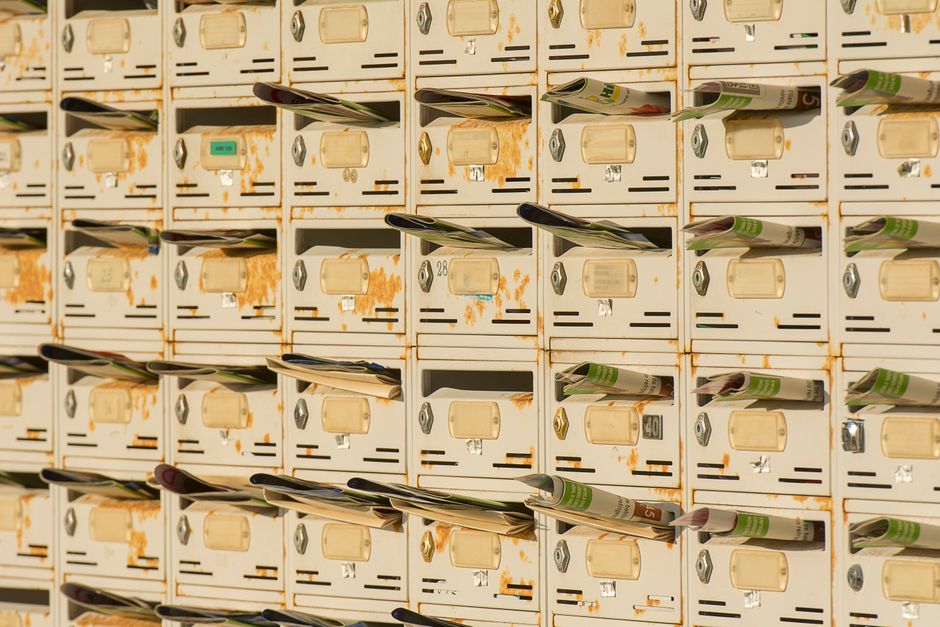
Newsletter sponsorships are one of the quietest high performing channels in creator marketing. While brands fight over crowded feeds, a writer with 8,000 engaged readers can send your offer straight into an inbox that people actually open on purpose. No algorithm decides who sees it. No scroll speed works against you.
The catch is that buying newsletter sponsorships feels opaque if you have never done it. Rates vary wildly. Audience data is self reported. And the difference between a great placement and a wasted budget often comes down to details most brands never think to ask about.
This guide walks through how to find creator inboxes worth buying, what to pay, how to structure the deal, and how to measure whether it worked.
 Photo by Jakub Zerdzicki on Pexels
Why Newsletter Sponsorships Still Outperform
Email is the only creator channel where the audience is a permanent asset. A creator on TikTok rents their reach from a recommendation engine. A newsletter writer owns a list that follows them anywhere.
That ownership changes reader behavior in ways that matter for advertisers. People subscribe deliberately. They read in a focused context with no competing content. And they tend to trust the writer more than they trust a feed post, because they chose to invite that voice into their inbox every week.
The numbers back it up. Well run niche newsletters routinely see open rates between 35 and 55 percent, and click through rates on sponsored placements between 1 and 5 percent depending on offer fit. Compare that to the fraction of a percent you get from most paid social impressions.
There is a second, less obvious benefit. Newsletter content often gets archived on the web, which means a good sponsorship can keep earning search traffic and AI citations long after the send date.
How to Find Newsletters Worth Sponsoring
Start with the topic, not the size. The best performing placements almost always come from small newsletters that sit exactly on top of your buyer's problem.
Four places to look:
Newsletter marketplaces. Platforms like beehiiv Ad Network, Paved, Swapstack, and Who Sponsors Stuff let you filter by category, list size, and price. Who Sponsors Stuff is especially useful for reverse research, since it shows you which brands are already buying in a given niche.
Your competitors' footprints. Search for your category plus the word sponsor. If a rival is buying the same inbox repeatedly, that placement is probably working for them.
Your customers. Ask five recent buyers what they read every week. This is the single highest signal research method and almost nobody does it.
Creator overlap. Many creators you already work with on social also run a list. Bundling a newsletter placement into an existing partnership is usually cheaper than buying it cold. If you already run a creator roster, treat inbox inventory as another line item, the same way you would think about influencer marketing KPIs across any channel.
Once you have a shortlist, ask every publisher for the same five things: list size, 30 day average open rate, click through rate on past sponsorships, audience geography, and two references from previous advertisers. Publishers who hesitate on the last one are telling you something.
 Photo by Karolina Grabowska www.kaboompics.com on Pexels
What Newsletter Sponsorships Cost
Newsletter pricing is usually quoted as CPM, meaning cost per thousand delivered emails. Some publishers quote a flat rate per send instead, and a growing number offer CPC or affiliate models.
Here is what the market generally looks like in 2026. Treat these as starting points for negotiation rather than fixed prices.
| Newsletter type | Typical list size | CPM range | What you usually get |
|---|---|---|---|
| Niche B2B / professional | 2K to 25K | $50 to $120 | Dedicated section, 80 to 120 words, one link |
| Broad consumer interest | 25K to 200K | $20 to $45 | Classified slot or short blurb |
| Creator personal brand | 5K to 50K | $40 to $90 | Native write up in the creator's voice |
| Industry media brand | 100K+ | $30 to $70 | Banner plus text, sometimes a takeover |
| Dedicated solo send | Any | 2x to 4x standard CPM | Entire email is your message |
Two things drive price more than list size: how specific the audience is, and where your placement sits in the email. A slot in the top third of a B2B newsletter with 6,000 subscribers can genuinely outperform a footer mention in a 300,000 subscriber general interest send.
If you want context on how these rates compare to other creator formats, our influencer CPM benchmarks breakdown covers the same math across social platforms.
Negotiation levers that actually work: buy three sends instead of one, commit to a quarter, offer a performance bonus tied to signups, or take a leftover slot on short notice at a discount.
How to Structure the Placement
The biggest mistake brands make is handing over a polished ad. Newsletter readers came for the writer's voice, and a corporate block of copy reads like an interruption.
Give the publisher a brief instead of a script. Include what your product does in one sentence, who it is for, the single result a reader should expect, your link, and any claims you cannot legally make. Then let them write it.
A strong placement usually follows this shape:
- One line that names a problem the reader already has
- Two or three lines on how the product solves it, with a concrete detail
- A personal note from the writer on why this fits their audience
- A clear call to action with a trackable link
Ask for a preview before send. Most publishers will provide one, and it is your only chance to catch a claim that creates a compliance problem. Disclosure is not optional. The placement must be clearly labeled as sponsored, and burying that label in gray six point type does not meet the standard.
For the offer itself, give readers something that matches the intimacy of the channel. A free tool, a template, a discount code with the newsletter's name in it. Generic homepage links convert poorly here.
 Photo by John-Mark Smith on Pexels
Measuring Whether It Worked
Newsletter attribution is messier than paid social because there is no pixel on the send. Build your measurement before you buy, not after.
Use all four of these together:
Unique tracking links. Give every publisher a distinct UTM tagged URL. Never reuse one across placements.
Vanity landing pages. A URL like yoursite.com/newsletter name is memorable, gets typed directly, and captures readers who did not click.
Promo codes. A code tied to the newsletter name catches conversions that happen days later on a different device.
Post purchase survey. One question at checkout asking where people heard about you will consistently surface newsletter influence that your analytics missed.
Judge a placement on two numbers: cost per qualified signup and cost per customer. Raw clicks tell you very little, because a great newsletter sends fewer but far better visitors. Set your benchmark by comparing against your existing paid channels, and give any newsletter at least two sends before you decide. First sends almost always underperform, because the audience has not seen your name before.
If a placement works, lock it in. The compounding advantage of newsletter sponsorships is repetition. The third time a reader sees your brand in a newsletter they trust, they stop treating it as an ad and start treating it as a recommendation. That same familiarity effect shows up across creator channels, and it is why B2B influencer marketing programs tend to get cheaper per lead over time rather than more expensive.
Building a Repeatable Newsletter Buying Program
Once you have found two or three placements that pay back, turn the process into a system.
Keep a simple tracker with every newsletter you have evaluated: contact, audience, rate, send dates, results, and a yes or no on repeat. Refresh your creative every four to six sends so the audience does not tune it out. And always keep one experimental slot in the budget for a newsletter you have never tried.
Plan for seasonality. Inventory in B2B newsletters tightens sharply in September and January. Consumer inventory tightens in November. Book those windows six to eight weeks ahead or expect to pay a premium.
Finally, treat newsletter writers as partners rather than inventory. The ones who genuinely like your product will mention you outside of paid slots, introduce you to other writers, and give you first access when they open new formats. That relationship is worth more than any single send.
Newsletter sponsorships reward brands that are patient, specific, and respectful of the reader. Find the inboxes where your buyer already spends attention, let the writer sound like themselves, measure honestly, and repeat what works.
Ready to find the creators and writers your audience already trusts? Bizkol helps you discover, vet, and manage creator partnerships across every channel, including the inbox.
Start your free trial at Bizkol
Photos provided by Pexels