

If you run a website in 2026, you have probably heard about llms.txt. It is a plain text file you place at the root of your domain, and the promise is simple. It tells AI models which pages on your site matter most so they can find and understand your content faster. The idea spread quickly because brands want to be cited by ChatGPT, Claude, and Perplexity. But here is the honest question most people skip. Does llms.txt actually help you get cited, or is it busywork dressed up as strategy?
This guide gives you the real answer. We will cover what the file does, what the data says about citation lift, which AI systems honor it today, and what you should do instead if your goal is more AI visibility. No hype, just a practical read so you can decide where to spend your time.
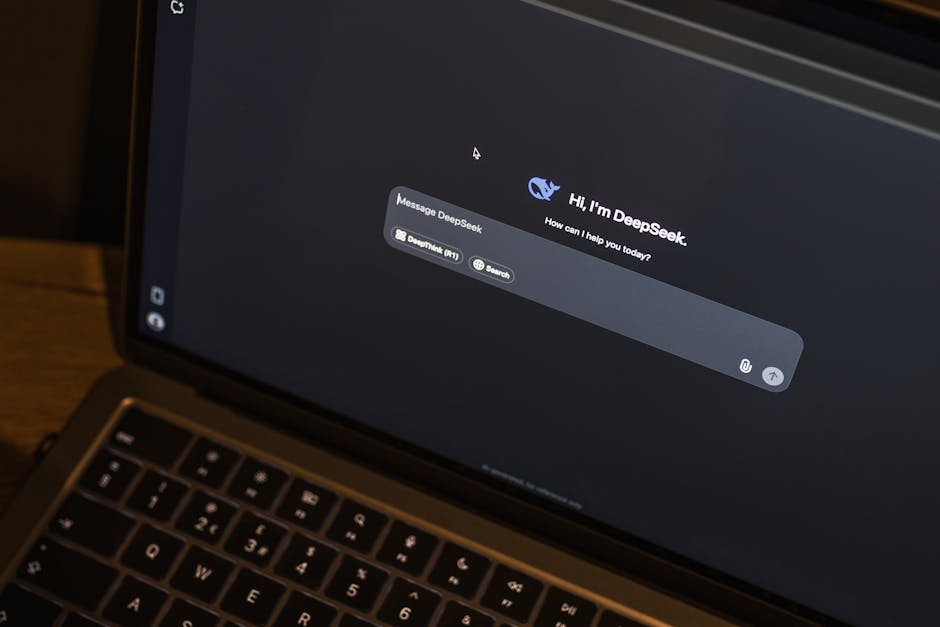 Photo by Matheus Bertelli on Pexels
What llms.txt Actually Is
The llms.txt file is a markdown formatted document that lives at yourdomain.com/llms.txt. Think of it as a curated table of contents written for machines. Instead of letting a model crawl your entire site and guess what is important, you hand it a clean map.
A typical file starts with your brand name and a short summary of what you do. Below that you list your most important pages as markdown links, often grouped into sections like Docs, Products, or Guides. Each link can carry a one line description so the model knows what it will find before it clicks.
The format was proposed in 2024 as a response to a real problem. Modern web pages are bloated with navigation, scripts, ads, and cookie banners. When an AI model tries to read raw HTML, it wastes effort parsing clutter. A clean markdown file removes the noise and points straight to your best content.
It is worth being clear about what llms.txt is not. It is not a ranking signal like a backlink. It does not force any model to read your pages. It is a suggestion, similar in spirit to a sitemap. A model can honor it, ignore it, or never look for it at all.
What the Data Says About Citation Lift
Here is the part that gets glossed over in most blog posts. There is no strong evidence that adding llms.txt increases how often AI models cite you.
The most cited study on this looked at more than 300,000 domains and found no measurable citation lift tied to the presence of an llms.txt file. Sites that added it did not get cited more often than comparable sites that skipped it. That is a large sample, and it should temper anyone selling llms.txt as a guaranteed traffic hack.
There are good reasons the lift is hard to find. Google has publicly said it does not use llms.txt for AI Overviews or Gemini. Most AI search citations still come from the live web index that powers a model's answers, not from a special file you upload. When Perplexity or ChatGPT cites a page, it is usually because that page already ranks, loads cleanly, and answers the question well.
So if your goal is pure citation volume, llms.txt is unlikely to move the needle on its own. The honest framing is this. It is a low cost, low risk addition that may help machine readability at the margins, but it is not a shortcut to getting picked up by AI answers.
If you want to understand where citations really come from, our breakdown of how ChatGPT cites pages walks through the signals that actually drive AI references.
Which AI Systems Honor llms.txt Today
Even without a proven citation lift, the file is not pointless. A few systems do read and respect it.
Claude, from Anthropic, honors llms.txt and uses it to locate clean, structured content when it browses or retrieves pages. Perplexity also references the file in some retrieval flows. These are exactly the AI products where being machine readable can help an agent fetch the right page faster.
On the other side, Google has stated it does not rely on llms.txt. That matters because Google AI Overviews reach a huge audience. So the file gives you partial coverage at best, helping with some assistants while doing nothing for the largest AI surface.
The table below sums up the current landscape so you can see it at a glance.
| AI system | Honors llms.txt | What it uses instead |
|---|---|---|
| Claude | Yes | Clean markdown, structured pages |
| Perplexity | Partially | Live web index, recency signals |
| ChatGPT | Limited | Bing index, page authority |
| Google AI Overviews | No | Google Search index |
 Photo by Kindel Media on Pexels
How to Create an llms.txt File the Right Way
If you decide to add one, and there is little downside to doing so, build it well. A sloppy file helps no one. Here is a clean approach.
Start with an H1 that is your brand or site name. Follow it with a blockquote or short paragraph that explains what your company does in one or two sentences. Keep it factual and specific.
Next, group your links into clear sections. Common groupings include Getting Started, Product Pages, Guides, and Documentation. Under each heading, list pages as markdown links with a short description. Point only to pages you genuinely want machines to surface, such as cornerstone guides, product pages, and high value resources.
Keep the file lean. Do not dump your entire sitemap into it. The whole value is curation, so choose the pages that represent your best, most useful content. Update it when you publish important new pages or retire old ones.
Some teams also publish an expanded version called llms-full.txt, which includes the actual page content in markdown rather than just links. This can help agents that want the full text without crawling, though it adds maintenance work. For most brands, the standard linked version is plenty.
Once the file is live at yourdomain.com/llms.txt, you are done. There is no submission process and no dashboard to check. You simply host the file and let compatible systems find it.
What to Do Instead if You Want AI Citations
Since llms.txt is not a citation engine, where should your real effort go? The answer is the work that AI systems actually reward.
 Photo by Abdelrahman Ahmed on Pexels
Recency is one of the biggest factors. AI models favor fresh, recently updated content, and they often stop citing pages that go stale. Keeping your key pages current does more for visibility than any single file. Our guide on building an AI search acquisition channel explains how to structure content for these zero click answers.
Source transparency matters too. Pages that clearly state who wrote them, cite primary data, and show real expertise get picked up more often. Models are trying to surface trustworthy answers, so make trust easy to see with author bios, dates, and references.
Clean structure helps machines parse you with or without llms.txt. Use clear headings, short paragraphs, and direct answers near the top of the page. Add structured data where it fits, though you should know its limits. Our comparison of schema versus AI citations covers when markup helps and when it does not.
Finally, earn mentions and links from sources the models already trust. Much of AI citation still rides on the same authority signals that power traditional search. Strong content that other sites reference is what gets you quoted in AI answers, and that holds true across creator marketing and beyond.
The Honest Verdict on llms.txt
So should you add an llms.txt file? Yes, if it takes you an hour and you want to be tidy for Claude and Perplexity. It is cheap insurance and good housekeeping. Just do it with clear eyes.
No, you should not expect it to flood you with AI citations. The 300,000 domain study is clear, and Google ignores the file outright. Treat llms.txt as a small piece of hygiene, not a growth strategy. Put your real energy into fresh, trustworthy, well structured content that earns mentions, because that is what AI models actually cite.
If you want help turning creator content and brand authority into the kind of signals AI search rewards, Bizkol gives marketing teams the tools to scale that work with AI. You can map your best content, track what gets cited, and grow your presence across both traditional and AI search.
Start your free trial at Bizkol
Photos provided by Pexels