
Zero click search is the new default. In 2026, the majority of Google sessions end without a single click on a blue link. Users get their answer from an AI Overview, a featured snippet, a knowledge panel, or a People Also Ask box. ChatGPT, Perplexity, and Gemini are doing the same thing on their own surfaces. If your marketing playbook still treats organic traffic as the scoreboard, you are measuring the wrong game.
This pillar post breaks down what zero click search actually is, why your traffic graph can drop even when your rankings hold steady, and the visibility metrics that matter now. Then we walk through five plays that brands are using to win attention, citations, and revenue in a world where Google sends less traffic every quarter.
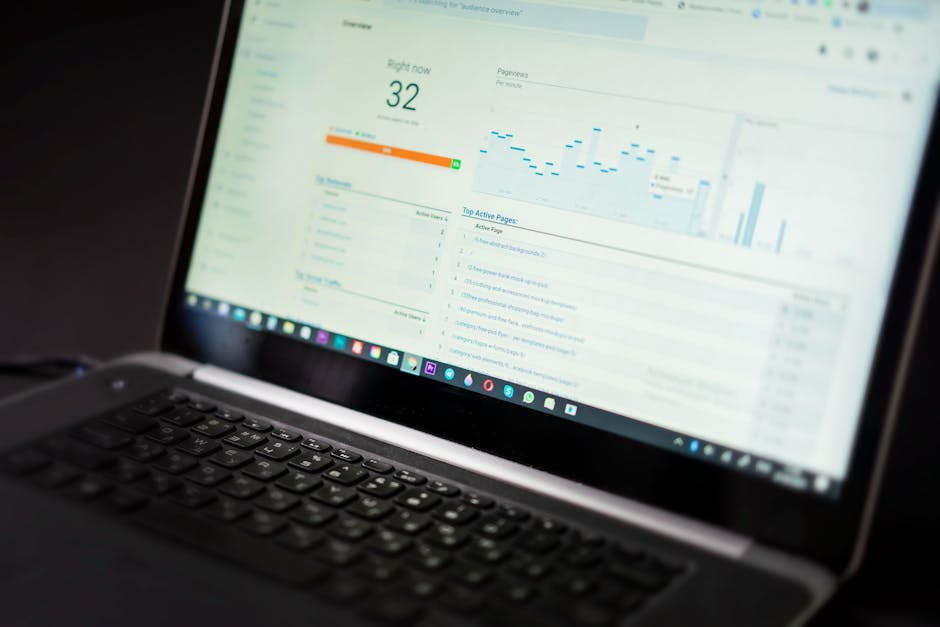 Photo by Atlantic Ambience on Pexels
What Zero Click Search Actually Means in 2026
A zero click search happens when a user types a query, gets the information they need from the search results page itself, and never clicks through to a website. Google has been moving in this direction for almost a decade. AI Overviews, launched widely in 2024 and expanded through 2025 and 2026, accelerated the shift in a serious way.
Recent industry studies put the share of Google sessions that end without a click at roughly 60 percent on desktop and closer to 70 percent on mobile. Branded queries still convert into clicks. Long tail informational queries do not. That gap is where most blogs are bleeding traffic.
The same pattern is showing up outside Google. ChatGPT answers more than 1 billion queries per week. Perplexity, Claude, and Gemini handle hundreds of millions more. When users get a clean answer with a few citations, the citation gets the brand mention, not the click. The journey now starts with awareness inside the answer, not a visit to your homepage.
The takeaway is simple. Search engines and AI assistants are turning into answer engines. Your job is no longer to rank a page. Your job is to be cited inside the answer.
Why Your Traffic Is Falling Even When Your Rankings Are Stable
Marketing teams keep asking the same question this year. Our rankings look fine, so why is organic traffic down 20 to 40 percent? The answer comes down to four overlapping forces.
First, AI Overviews now appear on the majority of informational queries. When Google can summarize the answer at the top of the page, click through rate on position one drops sharply. Multiple studies in 2025 and 2026 show CTR on position one declining by 30 to 50 percent on queries with an AI Overview.
Second, People Also Ask boxes, featured snippets, and knowledge panels expanded their footprint. A typical SERP in 2026 has three or four answer surfaces above the first organic link. Each one steals a piece of the click.
Third, users are starting more sessions inside AI tools. They open ChatGPT, ask the question once, and never touch Google for that journey. Your content can be the source the AI cites, but the session never lands on your site.
Fourth, search behavior fragmented. Reddit, YouTube, TikTok, and Substack now capture queries that used to go to Google. A user looking for honest product reviews often opens Reddit first. A user looking for a how to often opens YouTube. Your SEO traffic loss is partly a traffic shift, not a search demand collapse.
Once you understand the forces, the response is not panic. The response is to expand the definition of search visibility and measure what you can actually influence.
 Photo by Matheus Bertelli on Pexels
The New Visibility Metrics That Matter
If clicks are no longer the full story, what is? Brands that are winning right now track a wider set of signals. Below is a side by side view of the old SEO scoreboard versus the new visibility stack.
| Metric Category | Old SEO Era | Zero Click Era |
|---|---|---|
| Primary KPI | Organic sessions | Citations across answer surfaces |
| Ranking signal | Position 1 to 10 on Google | Inclusion in AI Overviews, AI assistants, snippets |
| Click data | Search Console CTR | CTR plus impression share inside AI answers |
| Brand signal | Direct traffic | Branded searches, brand mentions, AI citations |
| Conversion path | Click then convert | Awareness inside answer, then branded visit later |
| Content quality proxy | Backlinks and rankings | Citation count by ChatGPT, Perplexity, Gemini, Google AIO |
Practical tracking tips. Use Search Console to monitor impression growth, not just clicks. Run a weekly check on whether your priority pages are being cited by ChatGPT and Perplexity for your target queries. Track branded search volume in Google Trends as a leading indicator of AI driven awareness. If branded queries are climbing while organic clicks are flat, your content is doing its job even when traffic looks soft.
For a deeper breakdown of the mechanics behind AI citation, see How ChatGPT Picks Which Page to Cite. For the structured data side of the story, Why Schema Markup Doesn't Boost AI Citations explains why the popular fix is mostly a distraction.
Five Plays That Work in a Zero Click World
Here are the five plays that consistently deliver results for brands navigating zero click search. Each one is grounded in what is working for high growth content programs right now.
Play 1: Build for the Answer, Not the Click
Write content that gives the answer in the first 100 words. Lead with a clean definition, a short list, or a direct number. AI Overviews and featured snippets pull from pages that answer fast and answer clearly. Bury your answer in a slow introduction and you will lose the citation to a competitor.
Format matters. Short paragraphs of two to four sentences. Numbered lists for processes. Tables for comparisons. Clear H2 headings that mirror the question your audience is searching. The structure is not just for humans. AI models parse structured content more reliably and cite it more often.
Play 2: Earn Mentions on the Sources AI Models Trust
ChatGPT, Perplexity, and Google AIO do not pull citations randomly. They lean heavily on a known set of trusted sources. Reddit threads, Wikipedia, established news sites, industry publications, and YouTube transcripts dominate the citation graph in most categories.
Your job is to seed your brand and your point of view into those sources. Participate in subreddits where your audience hangs out. Earn mentions in industry roundups. Pitch contributed articles to publications your buyers already trust. A single quote inside a Forbes or TechCrunch piece can earn you AI citations for months.
This is also where creator partnerships matter. YouTube transcripts are heavily indexed by AI models. A product mention in a 12 minute YouTube review can keep generating citations long after the video stops getting views.
Play 3: Diversify Off Google
The brands feeling the least pain right now are the ones that built audiences off Google before zero click hit. Newsletter subscribers, podcast listeners, Discord members, and LinkedIn followers are all owned distribution that does not depend on organic search.
A practical test. If Google stopped sending traffic tomorrow, how much of your pipeline would survive? If the answer is less than 50 percent, you need a parallel distribution plan. Newsletter, podcast, and creator partnerships are the three highest leverage channels for most B2B and DTC brands in 2026.
Play 4: Optimize for Brand Driven Demand
When users see your brand cited in an AI answer, they often do not click that answer. They open a new tab and type your brand name into Google. That branded search converts at a much higher rate than the original informational query would have.
Measure this. Pull branded search volume monthly. Set up alerts for spikes that follow content launches or AI citations. Build landing pages optimized for branded query intent, with clear product positioning, social proof, and a fast path to signup or purchase.
Play 5: Treat Influencers as a Search Surface
This is the play most SEO teams miss. Creators on TikTok, Instagram, and YouTube are search engines for product discovery. A Gen Z buyer searches TikTok before Google for half their consumer purchase decisions. A B2B buyer searches LinkedIn for vendor opinions before they search the vendor name.
Influencer content is a search asset. Long form creator videos rank inside YouTube and Google. TikTok product tags surface in TikTok search. Instagram Reels show up in Instagram explore. Plan creator content the same way you plan SEO content. Pick the keywords. Brief the angles. Track the citations.
 Photo by
 How to Build a Zero Click Content System
The five plays above are useful only if you turn them into a repeatable system. Here is a 90 day setup that mid sized marketing teams are using to retool for zero click search.
Days 1 to 30: Audit and baseline. Pull a list of your top 50 organic pages. For each, check whether an AI Overview now appears for the target query. Run each query through ChatGPT and Perplexity and note whether your page is cited. Build a baseline scorecard of citation count by query. Identify the 10 pages where you are losing the citation to a competitor.
Days 31 to 60: Rewrite for citation. Rework those 10 pages to lead with a clean answer in the first 100 words. Add tables, numbered lists, and updated 2026 data. Add an FAQ block that mirrors the People Also Ask box for that query. Update internal links so your strongest pages get the most internal authority. After 30 days, recheck citation status.
Days 61 to 90: Layer off Google plays. Stand up at least one off Google distribution channel. Launch a newsletter, start a podcast, or pick three creators to partner with for the quarter. Tag every piece of content you publish with a clear brand thread so that AI mentions translate into branded searches.
A common question. Does this mean traditional SEO is dead? No. Branded organic clicks still convert at the highest rate of any channel for most brands. Ranking still matters. What changes is that ranking alone is no longer enough. You need to rank, get cited, and own off Google distribution at the same time.
If your brand is dealing with negative AI mentions or hostile Reddit threads that are influencing your AI citations, Brand Reputation SEO covers how to handle that situation directly.
What This Means for Your 2026 Plan
Zero click search is not a temporary glitch. Google has every incentive to keep more answers on the SERP. AI assistants are growing faster than Google ever did at the same stage. The winners in 2026 and 2027 will be brands that stop optimizing for clicks alone and start optimizing for citations, branded demand, and owned distribution.
The good news. The cost of doing this well is mostly attention, not budget. Rewriting your top 10 pages, launching a newsletter, and partnering with three creators is well within reach for any growth team. The brands that move first will own their categories inside the new answer engines for years.
If you want to scale the influencer side of this strategy, Bizkol helps brands find, vet, and run creator campaigns with live data and AI matching. You can plan creator search the same way you plan SEO search, then track which creators drive the citations and branded demand that compound over time.
Start your free trial at Bizkol
Photos provided by Pexels