

LinkedIn influencer marketing has quietly become one of the highest leverage channels in B2B. While consumer brands battle for attention on TikTok and Instagram, B2B buyers spend their scroll time on LinkedIn, reading posts from operators, founders, and analysts they already trust. Those trusted voices shape vendor shortlists and budget conversations long before a sales call ever happens. This playbook walks through how to find the right LinkedIn creators, which campaign formats actually perform, what fair pricing looks like, and how to measure pipeline impact instead of vanity metrics.
 Photo by Gustavo Fring on Pexels
Why LinkedIn Influencer Marketing Works Differently
Most influencer playbooks were written for consumer platforms. They assume impulse purchases, short attention spans, and single decision makers. B2B breaks every one of those assumptions. Deals involve buying committees, sales cycles run for months, and the product often costs more than a car.
That changes what influence looks like. On LinkedIn, influence is not about follower count. It is about whether the right 2,000 people in your category read someone's posts every week and take them seriously. A supply chain expert with 15,000 followers can move more pipeline for a logistics SaaS than a business celebrity with a million.
Three structural factors make LinkedIn influencer marketing unusually effective right now. First, the LinkedIn algorithm heavily favors content from personal profiles over company pages, so a creator's post travels far further than your brand's. Second, B2B buyers do most of their research before ever talking to sales, and trusted practitioner content is exactly what they consume during that quiet phase. Third, the creator supply is still thin. Compared to Instagram or TikTok, few B2B experts monetize their audience, which means partnership pricing has not yet inflated.
If you are building the broader case for creator partnerships in B2B, our guide on B2B influencer marketing and pipeline covers the strategy layer in depth. This post focuses on making LinkedIn itself work.
Finding the Right B2B Thought Leaders
The biggest mistake brands make is filtering by follower count. On LinkedIn, audience quality beats audience size every time. A creator followed by 8,000 VPs of Engineering is worth more to a devtools company than one followed by 300,000 job seekers.
Look for four creator archetypes:
Practitioner operators. People currently doing the job your buyer does. A RevOps lead posting about CRM hygiene, or a CFO writing about SaaS spend. Their endorsement reads as peer advice, not advertising.
Founder voices. Founders who build in public attract audiences of other founders and early adopters. They tend to be open to partnerships that feel authentic to their journey.
Analysts and educators. Newsletter writers, course creators, and category analysts. They bring credibility and often have distribution beyond LinkedIn, including email lists you can access in the same deal.
Rising creators. People posting consistently with fast comment growth but under 20,000 followers. They are affordable, hungry, and their engagement rates are usually far higher than established names.
When vetting, read the comments before you read the posts. Real influence shows up as thoughtful replies from people with relevant job titles. If the comments are generic praise or engagement pod filler, keep looking. Check posting consistency over 90 days, and confirm their audience matches your ideal customer profile by sampling who actually engages.
A practical sourcing process looks like this. Start with the voices your own customers already follow, which you can learn from a one-question survey or from sales call notes. Then search LinkedIn for the problems your product solves and note who ranks in those conversations. Finally, look at who speaks at the industry events your buyers attend, since conference speakers usually have active LinkedIn followings. Build a shortlist of 15 to 20 names, score each on audience fit, engagement quality, and content style, and reach out to the top five first.
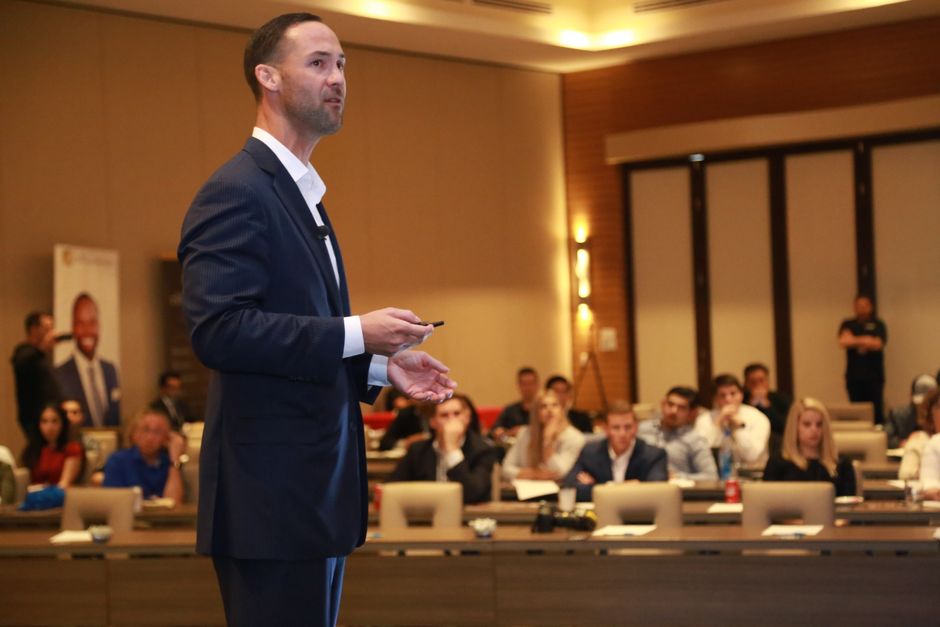 Photo by Jeremy McGilvrey on Pexels
Campaign Formats That Perform on LinkedIn
LinkedIn creator partnerships come in more flavors than a simple sponsored post. The best programs mix formats so the creator's audience sees the brand in several natural contexts over time.
| Format | Best For | Typical Investment | Watch Out For |
|---|---|---|---|
| Sponsored post | Awareness and social proof | $500 to $5,000 per post | One-off posts rarely convert alone |
| Thought leader ads | Scaling a proven organic post | Media spend plus creator fee | Requires creator permission and setup |
| Newsletter sponsorship | Reaching engaged niche audiences | $300 to $3,000 per issue | Verify open rates, not subscriber counts |
| Webinar or live event co-host | Demand capture and lead gen | $2,000 to $10,000 per event | Needs strong follow-up sequence |
| Ongoing ambassador retainer | Category authority over time | $1,500 to $8,000 per month | Set clear monthly deliverables |
A few notes on what works in practice. Single sponsored posts are the most common starting point, but they perform best as a series of three or more touches rather than a one-off. Thought leader ads, where you boost a creator's organic post as paid media from their profile, consistently outperform standard brand ads on click-through because they keep the native feel. And retainers are usually the best value once you have validated a creator, since price per post drops and the repeated exposure compounds.
For benchmarks on what creators charge across tiers and platforms, see our influencer rates guide for 2026.
How to Brief LinkedIn Creators Without Killing Their Voice
B2B audiences have finely tuned ad detectors. The moment a post reads like your marketing team wrote it, engagement dies. The fix is to brief on outcomes, not scripts.
Give creators three things: the core problem your product solves, one or two proof points they can verify themselves, and the single takeaway you want their audience to remember. Then let them write in their own voice. Ask for review rights on factual claims only, not on style.
The strongest LinkedIn posts from partnerships tend to follow a story arc the creator owns. A real workflow problem they faced, what they tried, how the product fit in, and an honest note on who it is and is not for. That last part matters. A creator who says your tool is wrong for some readers becomes dramatically more credible to the readers it is right for.
Disclosure still applies in B2B. Creators should clearly mark paid partnerships. It protects both sides and, on LinkedIn specifically, audiences respond fine to disclosed partnerships as long as the content is useful.
 Photo by Tima Miroshnichenko on Pexels
Measuring Pipeline Impact, Not Just Likes
Impressions and likes tell you almost nothing in B2B. A LinkedIn influencer marketing program should be judged on whether it touches revenue, and there are practical ways to see that even with long sales cycles.
Start with self-reported attribution. Add a required "How did you hear about us?" field to your demo form. LinkedIn creator programs consistently show up here even when click attribution shows nothing, because buyers see a post, remember the name, and search for you weeks later.
Track engaged accounts, not just clicks. After each campaign post, review who commented and reacted, match those people to your target account list, and flag them in your CRM. When those accounts later enter pipeline, you have a documented influence touch.
Use unique links and UTM tags for every creator so the direct traffic slice is clean, and give each webinar or event partner a dedicated registration page. Then look at pipeline created within 90 days among accounts that engaged versus a control group of similar accounts that did not. That comparison is where LinkedIn programs usually prove their worth.
Set expectations on timing before the program starts. B2B sales cycles mean a post published this month may influence a deal that closes two quarters from now. Agree with leadership on leading indicators for the first 90 days, such as engaged target accounts, branded search lift, and demo form mentions. Save the revenue verdict for the six month mark. Programs that get judged on closed revenue after four weeks get cancelled before they can work, and that is the most common way B2B creator programs fail.
Finally, benchmark the channel against your other spend. Our breakdown of influencer marketing by platform shows how LinkedIn compares to TikTok, Instagram, and YouTube on cost and conversion for different business models.
Start Small, Prove It, Then Scale
The playbook in short: pick three to five creators whose audience matches your ICP, run a multi-touch pilot over one quarter, brief on outcomes rather than scripts, and measure engaged accounts and self-reported attribution rather than likes. Most B2B teams that run this loop find one or two creators who reliably move pipeline, then shift budget from underperforming paid channels into retainers with those partners.
Finding and vetting those creators is the slow part, and it is exactly what Bizkol speeds up. Search creators by audience, analyze real engagement quality, and manage outreach and campaigns in one place.
Start your free trial at Bizkol
Photos provided by Pexels