

Food and beverage brands live and die by trust. Shoppers will not put something in their mouths just because a banner ad told them to. That is why food influencer marketing has become the default growth channel for CPG brands. When a creator someone follows every day says a snack is worth buying, that recommendation carries the weight of a friend's advice. This guide walks through how CPG brands can pick the right creators, run campaigns that actually move product, and measure results beyond vanity metrics.
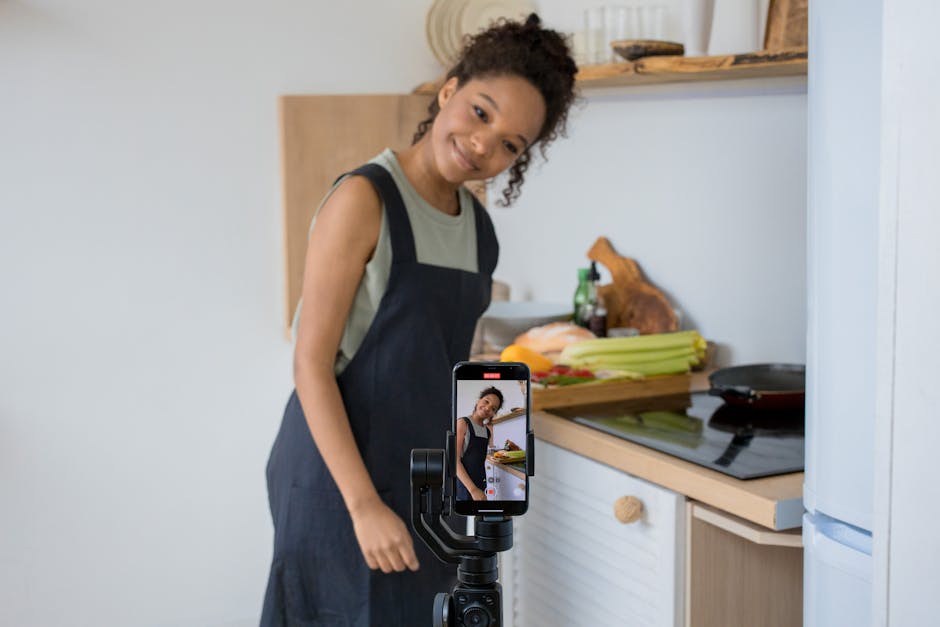 Photo by
 Why Food Influencer Marketing Works for CPG Brands
Food is the most visual, most shareable product category on social media. Recipe videos, taste tests, and grocery hauls rack up billions of views every month because eating is universal. Your product does not need explaining. It needs showing.
CPG brands face a specific problem that creators solve well. Margins are thin, retail shelf space is brutal, and shoppers make decisions in seconds. A creator who shows your sparkling water in their morning routine does two jobs at once. They build the brand recall that gets you picked off the shelf, and they drive direct sales through links and codes.
There is also a retail story here. Buyers at Target, Whole Foods, and Kroger watch social traction when deciding what to stock. A product that is blowing up on TikTok gets meetings that a cold pitch never would. Viral moments have pulled products onto shelves nationwide, and steady creator buzz keeps them there.
The category also benefits from repeat purchase behavior. Unlike a mattress or a laptop, people buy groceries every week. One converted customer from a creator campaign can be worth dozens of purchases over a year. That changes the math on what you can afford to spend per acquisition.
Choosing the Right Creators for Your Food Brand
The instinct is to chase the biggest food accounts. Resist it. In food and beverage, engagement and audience trust beat raw reach almost every time. A nano creator whose followers actually cook their recipes will outperform a celebrity whose audience scrolls past sponsored posts.
Here is how the creator tiers typically stack up for CPG campaigns:
| Creator Tier | Followers | Best For | Typical Cost Per Post |
|---|---|---|---|
| Nano | 1K to 10K | Sampling, reviews, local launches | Free product to $100 |
| Micro | 10K to 100K | Recipe content, niche diets, regional pushes | $100 to $1,000 |
| Macro | 100K to 1M | Awareness bursts, retail launch support | $1,000 to $10,000 |
| Celebrity chef or mega | 1M+ | National campaigns, brand repositioning | $10,000+ |
Match the creator's niche to your product, not just their size. A protein bar belongs with fitness and meal prep creators. A hot sauce belongs with home cooks and spice challenge accounts. A kids' snack belongs with parenting creators. Niche fit is why micro influencer marketing delivers the strongest ROI for most food brands.
Vet for authenticity before you sign anyone. Check whether their audience matches your buyer demographics, whether their engagement looks organic, and whether they have promoted competing products recently. A creator who pushed three rival energy drinks this quarter will not read as credible holding yours.
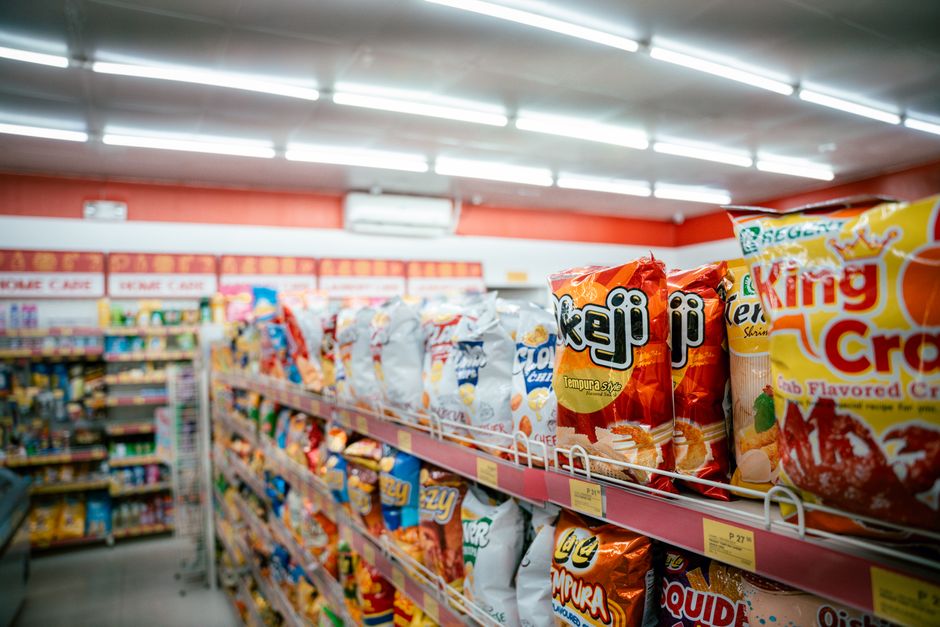 Photo by Kenneth Surillo on Pexels
Campaign Formats That Move Product Off Shelves
Food content has native formats that feel nothing like ads. Lean into them.
Recipe integration is the workhorse. The creator builds a dish around your product, and the product becomes essential to the payoff. Viewers save recipe content at far higher rates than any other format, which gives your placement a long shelf life in saved folders and search results.
Taste tests and honest reviews trade polish for credibility. Letting a creator react honestly is scary for brand managers and gold for conversion. Audiences can smell a scripted rave. A genuine "this surprised me" lands harder than perfect talking points.
Grocery hauls and restock videos put your product in a real shopping context. When a creator tosses your granola into their cart alongside their weekly staples, it normalizes the purchase. This format works especially well for driving retail velocity because it shows viewers exactly where to find you.
Shoppable content closes the loop. TikTok Shop has turned food discovery into instant checkout, and affiliate commissions give creators a reason to keep posting about products that convert. If you sell direct, the TikTok Shop affiliate playbook is the fastest growing lane in food and beverage right now.
Day in the life placements work best for beverages and snacks. Your cold brew showing up in a creator's real morning, three videos a week, builds more brand memory than any single sponsored post.
Product Seeding and Sampling at Scale
Food has an advantage most categories lack. Your product costs a few dollars to make and ships easily. That makes large scale seeding the highest leverage move in CPG creator marketing.
The play is simple. Send free product to hundreds of niche relevant creators with no strings attached. No contract, no required post. A meaningful share will post anyway because unboxing new snacks is easy content. You get authentic coverage at product cost, and you learn which creators genuinely love the brand before you pay anyone.
Seeding also builds your bench. The creators who post organically become your shortlist for paid partnerships, and their content will read as authentic because it is. Our full influencer seeding playbook covers list building, packaging, and follow up in detail.
Two practical notes. First, make the unboxing moment worth filming. Branded inserts, a handwritten note, and a full flavor lineup beat a single sample in bubble wrap. Second, time seeding waves around retail milestones. A burst of creator content the month you land in Target gives shoppers a reason to look for you in store.
 Photo by Sander Dalhuisen on Pexels
Measuring What Matters: From Views to Sales Velocity
Food influencer marketing gets judged on the wrong numbers all the time. Views and likes are inputs. Here is what to actually track.
For direct to consumer sales, give every creator a unique discount code and tracked link. Code redemptions are the cleanest signal of true conversion, and they keep working weeks after the post goes live as content gets saved and shared.
For retail, watch sales velocity in the regions and weeks where creator content concentrated. If you run a regional creator push in Texas and same store sales lift 15 percent against control markets, that is your attribution. Retail scanner data is imperfect, but a clear geographic pattern tells the story.
Track earned media value and follower quality as secondary signals. A campaign that adds 10,000 engaged followers to your brand account keeps paying off in organic reach. And always capture usage rights so top performing creator content can be reused in paid ads, on packaging, and in retailer pitch decks, where it consistently outperforms studio creative.
Set a realistic timeline. One viral video can spike sales overnight, but the compounding value of food creator programs shows up over two to three quarters as content accumulates and search interest builds.
Compliance and Claims: The Rules Food Brands Cannot Skip
Food and beverage sits in one of the most regulated corners of creator marketing, and the rules apply to your brand even when a creator writes the caption.
Health claims are the biggest tripwire. A creator saying your kombucha "cures bloating" or your bar "helps you lose weight" can trigger FDA and FTC scrutiny, because unsubstantiated health claims are treated as the brand's responsibility. Give every partner a short list of approved product claims and a clear list of phrases to avoid. Keep it to one page so people actually read it.
Disclosure is not optional either. Every paid post, gifted product post, and affiliate link needs a clear disclosure such as #ad or "gifted by" language that viewers cannot miss. The FTC holds brands liable alongside creators, and penalties run steep. Our FTC disclosure guide covers the current requirements in plain language.
Also put usage rights in writing before content goes live. If you plan to reuse a creator's recipe video in paid ads or on retail displays, the contract needs to say so, including where and for how long. Bolting on rights after a video takes off always costs more.
None of this should scare you off. A one page brief, a standard contract, and a disclosure checklist cover most of the risk, and buttoned up compliance actually makes bigger creators more willing to work with you.
Start Small, Learn Fast, Then Scale
The winning pattern in food and beverage is consistent. Seed widely, identify the creators whose content converts, then concentrate budget on proven partners with recipe content, affiliate deals, and long term ambassador roles. You do not need a celebrity chef or a Super Bowl budget. You need fifty creators who genuinely like your product and a system for finding them.
That system is where Bizkol comes in. Our AI powered platform helps CPG brands discover niche food creators, vet their audiences, manage seeding campaigns at scale, and track performance from post to purchase, all in one place.
Start your free trial at Bizkol
Photos provided by Pexels