
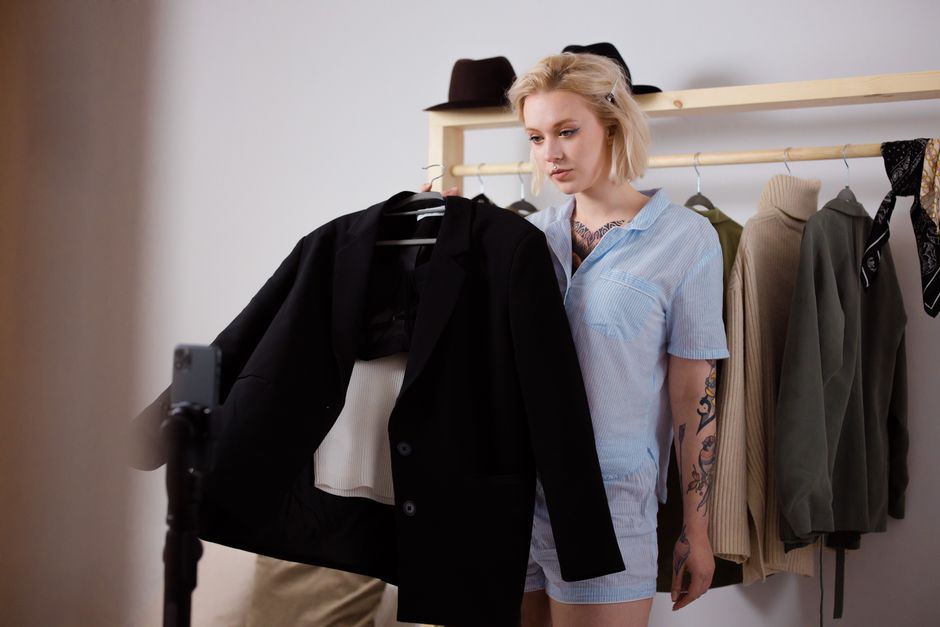
Fashion influencer marketing has grown up. What used to be a free dress in exchange for a post is now a full growth channel that moves real revenue. If you sell clothing, shoes, jewelry, or accessories, creators are often the fastest way to reach shoppers who trust a familiar face more than a banner ad.
The best fashion brands treat creators as a system, not a one off favor. They seed products to the right people, turn strong content into paid ads, and track what actually sells. This guide walks you through that full journey, from the first gifting box to the runway moment, so you can build a program that scales.
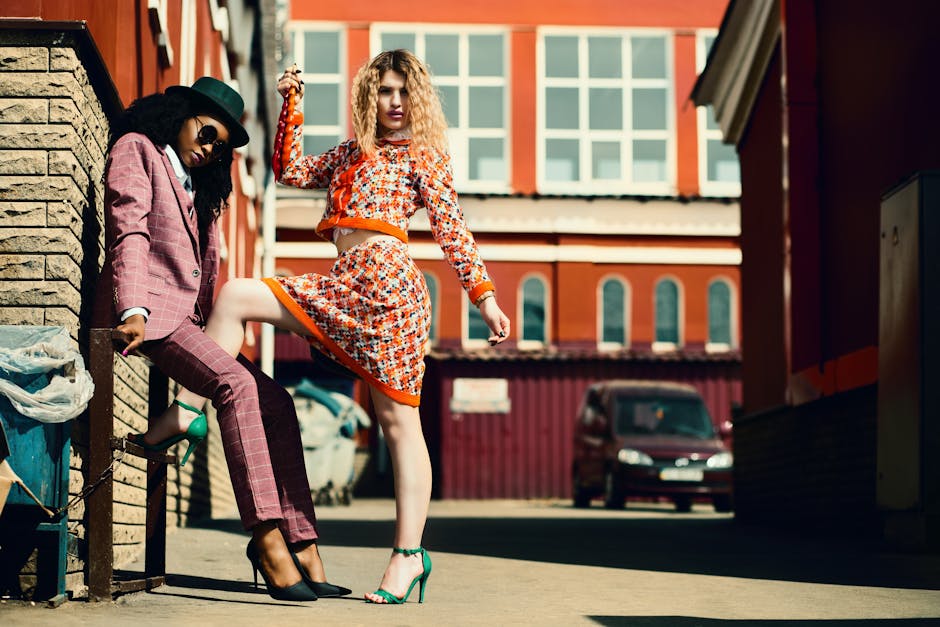 Photo by Godisable Jacob on Pexels
Why Fashion Is Built for Creator Marketing
Fashion is visual, personal, and social. People buy clothes to express who they are, and they look to others for cues on what looks good. That makes creators a natural fit. When a shopper sees a real person style an outfit, walk in it, and talk about the fit, the product feels tested and safe to buy.
Fashion also has a fast content cycle. New drops, seasonal trends, and restocks give you a reason to work with creators all year. You are never short on a story to tell, which keeps your program active and your feed fresh.
The category rewards authenticity too. Shoppers can spot a stiff, scripted post right away, and they scroll past it. A creator who genuinely loves your brand and wears your pieces in daily life builds trust that a polished studio shot cannot match.
Start With Product Seeding, Not Paid Deals
Most strong fashion programs begin with seeding. You send free products to a batch of creators with no strict posting requirement and let the good content come naturally. This keeps costs low while you learn which creators and which products get the best response.
Pick creators whose style already matches your brand. A minimalist label should seed people who wear clean, simple looks, not loud maximalists. The closer the fit, the more natural the content feels, and the more their audience believes it.
Make the unboxing feel special. Thoughtful packaging, a handwritten note, and a small extra gift give creators a reason to film the moment and tag you. That first impression often decides whether they post once or become a long term partner. For a full playbook on this stage, see our guide on influencer seeding.
Track who posts, what they say, and how their audience reacts. The creators who post without being asked and drive real engagement are your shortlist for paid work later.
 Photo by Alyssa DeGarde on Pexels
Choose the Right Creator Tiers for Fashion
Not every fashion goal needs a celebrity. Different creator tiers serve different jobs, and a smart program blends them. The table below breaks down where each tier fits so you can plan your roster and budget.
| Creator tier | Follower range | Best for | Typical cost |
|---|---|---|---|
| Nano | 1K to 10K | Local buzz, honest reviews, seeding | Product or low fees |
| Micro | 10K to 100K | Steady sales, niche style, UGC for ads | Moderate fees |
| Mid tier | 100K to 500K | Broader reach, seasonal drops | Higher fees |
| Macro and celebrity | 500K plus | Brand awareness, launch moments | Premium fees |
Micro creators are the workhorses of fashion marketing. They post often, cost less, and their followers tend to buy on their word. A group of well matched micro creators can outperform one big name at a fraction of the price.
Save your macro and celebrity budget for launch moments and big seasonal pushes. They bring reach and credibility, but they rarely deliver the steady, trackable sales that a strong micro roster does. Blend the tiers so you get both the spike and the drip.
If you sell beauty products alongside fashion, the same tier logic applies, and you can read more in our beauty influencer marketing playbook.
Match the Format to the Platform
Where your creators post matters as much as who they are. Each platform has a different strength, and fashion works differently on each one. Instagram is your styling and lookbook home, TikTok drives discovery and trends, and Pinterest and YouTube support search and longer form looks.
Instagram Reels and carousels are ideal for outfit reveals, get ready with me clips, and styling multiple pieces. The visual grid also doubles as a mini catalog for shoppers who click through. Our Instagram influencer marketing guide covers formats and setup in depth.
TikTok is where trends catch fire. Hauls, transitions, and honest try on videos can send a single product viral overnight. Give creators room to be playful here, since forced content flops fast on this platform.
Do not overlook longer formats. A YouTube styling video or a Pinterest board keeps working for months after it goes live, quietly sending shoppers to your site long after the post date.
 Photo by
 Turn Creator Content Into Sales You Can Track
Great content means little if you cannot tie it to revenue. Give every creator a unique discount code and a tracking link so you know exactly what each partner drives. This turns fuzzy brand love into clear numbers you can act on.
Whitelist your best posts and run them as paid ads. Content that already performs organically often becomes your cheapest, highest converting ad creative. You get the trust of a real creator with the reach of paid media, and you control the spend.
Watch a few key numbers as you scale. Track cost per acquisition, return on ad spend, and the sell through rate on featured products. If a creator drives strong sales, deepen the relationship with an ambassador deal or an exclusive drop.
Fashion also lives and dies by timing. Line up creator posts with your drops, restocks, and sale windows so the content hits when the product is in stock and the shopper is ready to buy.
Plan Around Seasons, Drops, and Trends
Fashion runs on a calendar, and your creator program should follow it. Spring and fall collections, holiday gifting, and back to school moments all give you natural reasons to activate creators. Map your content plan to these windows so posts land when shoppers are already in a buying mood.
Give creators a heads up before a drop so they can plan their content. A rushed post the day of a launch rarely performs as well as a teaser, a reveal, and a follow up styled around the same product. A short runway of content beats a single shot.
Trends move fast, so leave room to react. When a color, silhouette, or styling trick takes off, hand your creators the matching product and let them ride the wave. Speed here often matters more than polish, since the window closes quickly.
Avoid the Mistakes That Sink Fashion Programs
The most common mistake is picking creators by follower count alone. A large audience that does not care about fashion will not buy your dress. Style fit and engagement matter far more than raw reach, so vet every partner against your brand look.
Another trap is controlling the content too tightly. Fashion shoppers follow creators for their personal taste, and a stiff, brand written script strips that away. Share clear guidelines and must have points, then trust the creator to make it their own.
Finally, do not treat every campaign as one and done. Brands that ghost creators after a single post lose the relationships that compound over time. Keep the good ones close, and your program gets stronger and cheaper with every season.
Build a Roster You Keep, Not a List You Rent
The brands that win in fashion do not chase new creators every month. They build a roster of partners who wear the brand, understand it, and grow with it. Repeat creators produce better content because they know your products and your voice.
Treat your top creators like insiders. Give them early access to drops, invite their feedback on new pieces, and feature them across your channels. When a creator feels like part of the brand, their content shows it, and their audience feels it too.
Managing dozens of creators by hand gets messy fast. AI-powered tools can help you find matched creators, track performance, and keep every relationship organized in one place, so your team spends less time on spreadsheets and more time on strategy.
Fashion influencer marketing rewards brands that show up consistently, treat creators as partners, and measure what works. Start small with seeding, double down on what sells, and grow a roster that grows with you. Ready to find and manage the creators who fit your brand? Start your free trial at Bizkol
Photos provided by Pexels