

A micro influencer marketing strategy gives small and mid-sized brands a real shot at growth without the inflated costs of celebrity creator deals. Micro influencers, those with audiences between 10,000 and 100,000 followers, often drive higher engagement and stronger trust than bigger names. The catch is that running a program with dozens of these creators takes structure. You need a plan, not a one-off post.
This guide walks through how to build a micro influencer marketing strategy from scratch. We will cover goals, creator selection, briefing, content rights, measurement, and how to scale once you find what works. Whether you run marketing at a five person startup or a growing ecommerce brand, the framework here is built to be practical.
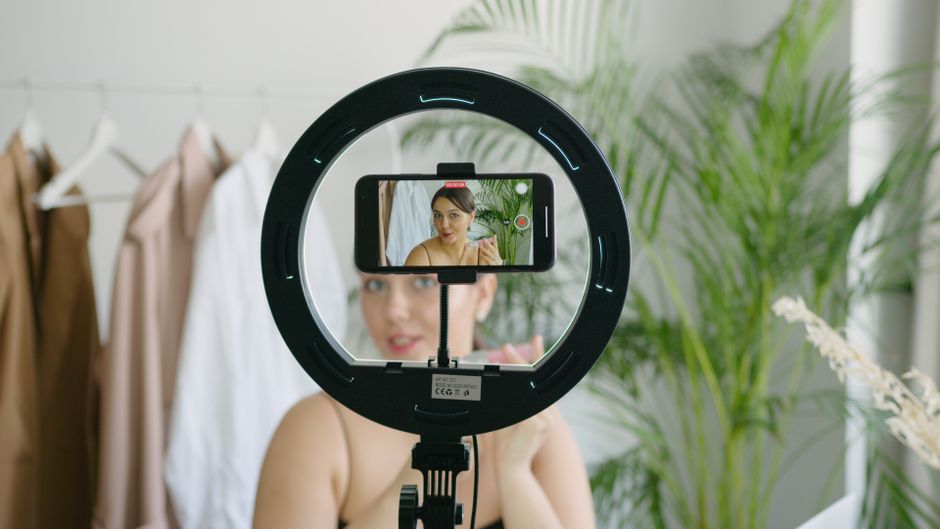 Photo by
 Why Micro Influencers Outperform Bigger Creators
The data is consistent across categories. Micro influencers post engagement rates that often sit between 3 and 8 percent, while creators with millions of followers usually land below 1 percent. That gap matters because engagement is the closest signal to actual purchase intent.
There are a few reasons this happens. Smaller creators tend to build communities around a tight niche, like vegan baking or compact car reviews. Their followers feel like they are part of a conversation, not an audience watching a star. When that creator recommends a product, it lands more like a friend's tip than a paid endorsement.
For brands, this also means lower cost per result. A single Instagram post from a celebrity might run six figures. A solid micro influencer campaign can produce ten or twenty pieces of content in that same budget, with broader reach across niches.
Step 1: Define Goals That Match Your Stage
Every micro influencer marketing strategy starts with a clear goal. Without one, you will spend money on creators who post pretty content that does nothing for your business. Goals usually fall into one of three buckets.
The first is awareness. You want new audiences to learn that your brand exists. Reach, impressions, and follower lift are the metrics that matter here. The second is engagement. You want signals of interest, like saves, shares, comments, and click-throughs. The third is conversion. You want signups, trials, or sales tracked through unique codes or links.
Pick one primary goal per campaign. Trying to optimize for all three at once usually produces mediocre results across the board. If you are a new brand, awareness usually comes first. Once you have product market fit, conversion campaigns will give you the most direct return.
Step 2: Build Your Ideal Creator Profile
Before you start searching, write down what your ideal creator looks like. Think about niche, follower range, engagement rate, content style, audience demographics, and platform. The more specific you are, the faster you will find good matches.
For example, a sustainable skincare brand might define their profile as: female creators aged 25 to 40, between 15,000 and 60,000 Instagram followers, niche focus on clean beauty or eco-living, audience based mostly in the US and Canada, engagement rate above 4 percent, and content style that leans editorial rather than chaotic.
Write this profile down and share it with anyone helping you scout. It becomes the filter for every "should we partner with this person" conversation. To get tactical on creator search, see our guide on how to find micro influencers.
 Photo by Alena Darmel on Pexels
Step 3: Choose Your Compensation Model
Micro influencers can be paid in a few ways, and your model should match the value you expect from each post.
| Model | Best For | Typical Range |
|---|---|---|
| Free product | Nano creators, gifting tests | Product cost only |
| Flat fee | Defined deliverables, sponsored posts | $150 to $1,500 per post |
| Performance | Affiliate or revenue share programs | 10 to 25 percent commission |
| Hybrid | Established programs with reliable creators | Flat fee plus bonus |
A quick rule of thumb. Pay flat fees when you need a guaranteed deliverable on a deadline. Use affiliate models when you have a high converting offer and want to scale spend in line with sales. Use hybrids once you have data on which creators consistently drive results.
Be careful with free product only deals once you ask for more than a single post. Creators who put real effort into briefs, scripting, and editing deserve paid compensation. Trying to scale a program on gifting alone usually leads to flaky deliverables and burnout.
Step 4: Write a Brief That Sets Creators Up to Win
The brief is where most micro influencer programs go wrong. Either the brand sends a five page document that kills creativity, or it sends three sentences and gets back content that misses the point. The right balance is a clear set of guardrails plus room to play.
A strong brief includes the campaign goal in plain language, three to five must-include talking points, must-avoid topics or claims, the format and timing of posts, the disclosure language to use, the brand handle and required hashtags, and any usage rights you want for organic or paid reuse.
Skip the line-by-line script. Creators built their audiences by sounding like themselves, not a brand catalog. Tell them why your product matters and what you want viewers to take away, then trust them to translate that into their voice. For outreach scripts that get high reply rates, see our outreach templates post.
Step 5: Measure What Actually Matters
A micro influencer marketing strategy without measurement is just sponsored content with extra steps. You need a small set of metrics tied to your goal.
For awareness campaigns, track reach, impressions, and brand search lift. For engagement campaigns, track engagement rate, saves, shares, and comments that show real interest. For conversion campaigns, give every creator a unique discount code or UTM tagged link, then track first purchase rate, average order value, and cost per acquisition by creator.
Set benchmarks before you launch. A common starting point is 4 percent engagement and a cost per acquisition that comes in at or below your paid social benchmark. After two campaigns, you will have your own internal numbers and can stop relying on industry averages. For a deeper look at the metrics that matter, read our breakdown of influencer marketing KPIs.
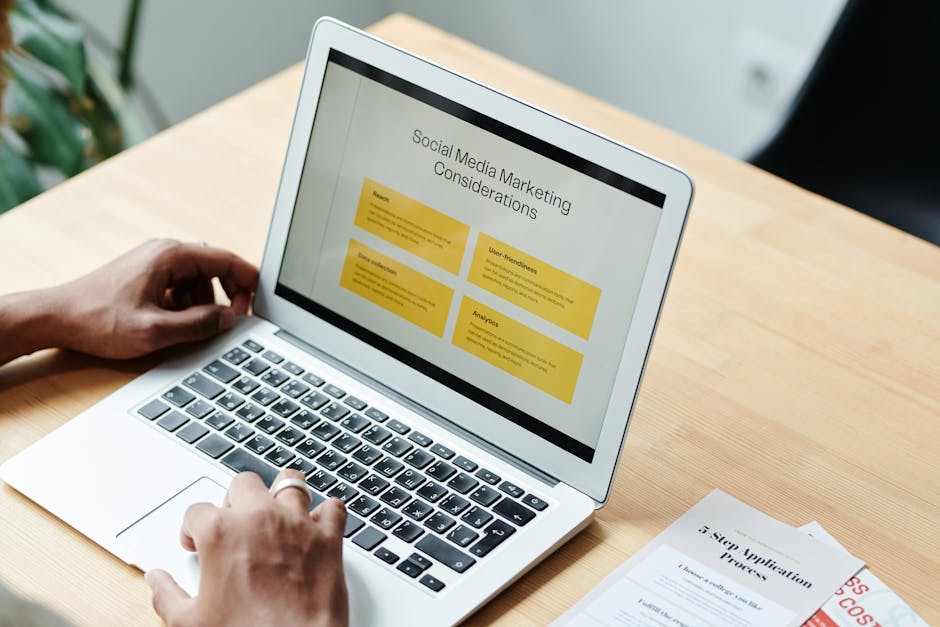 Photo by Darlene Alderson on Pexels
Step 6: Scale What Works
Once a creator delivers strong results, do not treat the campaign as one and done. Build a long term relationship. Repeat partners produce better content because they know your product, and their audiences trust the recommendation more after the third or fourth mention than they did the first time.
Look for two scale paths. First, expand spend with your top 10 to 20 percent of creators by giving them more posts, longer term retainers, or exclusive product launches. Second, use your winners as a template for your next round of recruiting. If five creators drove most of your conversions, study what they have in common and find 20 more creators who fit the same shape.
This is where AI tools earn their keep. Manual scaling falls apart once you cross 30 or 40 active creators. Bizkol helps marketing teams find lookalike micro influencers, automate outreach, track performance per creator, and manage payments in one place, so the time you save goes back into building relationships and creative.
Common Mistakes to Avoid
A few patterns kill micro influencer programs before they can mature. Watch for these as you build.
The first is treating creators like vendors. Creators who feel respected produce better content and stick around. Send them feedback, share their wins internally, and pay invoices on time. The second is changing your brief mid-campaign. Lock the strategy before launch and resist the urge to retune everything when the first post does not go viral. The third is judging too soon. A single post is not a campaign. Look at performance over a window of at least 4 to 6 posts before drawing conclusions.
Putting Your Strategy Into Motion
A working micro influencer marketing strategy is a flywheel. Goals lead to creator profiles, profiles lead to outreach, outreach leads to content, content leads to data, and data leads back into smarter goals. Each loop sharpens the next, and the brands that commit to running it end up with a creator program that compounds.
If you are ready to stop juggling spreadsheets and start scaling your micro influencer program, Bizkol gives you AI creator discovery, automated outreach, performance tracking, and payments under one roof.
Start your free trial at Bizkol
Photos provided by Pexels