

KOL marketing has become one of the most powerful strategies available to modern brands. Whether you are launching a new product, breaking into a competitive market, or trying to build long-term trust with your target audience, key opinion leaders can help you reach people in a way that traditional advertising rarely does.
Unlike a banner ad or a sponsored search result, a recommendation from a trusted expert feels personal. It comes from someone your audience already follows, respects, and listens to. That is the core value of KOL marketing, and it is why brands across every industry are investing in it more than ever.
This guide breaks down everything you need to know about KOL marketing: what it is, how it works, why it matters, and how to build a strategy that delivers real results.
What Is KOL Marketing?
KOL marketing is a strategy where brands partner with key opinion leaders to promote their products or services to a targeted audience. A key opinion leader is someone with recognized expertise, authority, or credibility in a specific niche, and whose recommendations carry real weight with their followers.
KOLs show up across every platform and industry. A dermatologist on Instagram explaining skincare ingredients is a KOL. So is a software engineer with a popular YouTube channel reviewing developer tools, or a nutritionist with a highly engaged TikTok following. What they share is credibility. Their audience trusts them because they have earned that trust over time through consistent, knowledgeable content.
This is what separates KOL marketing from broader influencer marketing. KOLs are not simply popular. They are respected authorities in their field. For a deeper look at how the two compare, our guide on KOL vs influencer walks through the key differences and when each approach makes the most sense.
KOL marketing works across industries including beauty, finance, tech, food, fitness, gaming, and more. Any category where buyers rely on expert guidance is a strong fit for this approach.
How KOL Marketing Works
At its core, KOL marketing connects your brand with creators who have already built the trust of your target customer. Instead of interrupting your audience with an ad, you show up through a voice they already follow and respect.
The process usually follows a clear sequence. A brand identifies KOLs whose audience matches their ideal customer profile. Both parties agree on deliverables, creative direction, compensation, and a timeline. The KOL creates content, whether that is a review, tutorial, unboxing, or mention, and publishes it to their audience. The brand then tracks performance and uses the data to improve future campaigns.
One of the biggest advantages of this model is that the content feels native. It lives on the KOL's channel, written in their voice, and shared with people who already chose to follow them. That authenticity is very difficult to replicate with traditional ad formats.
KOL campaigns can also take many forms. Some brands run long-term ambassador relationships where a creator represents the brand over months or years. Others use short-term activations for a product launch or seasonal campaign. Gifting programs, affiliate partnerships, and co-created content are all common approaches depending on your goals and budget.
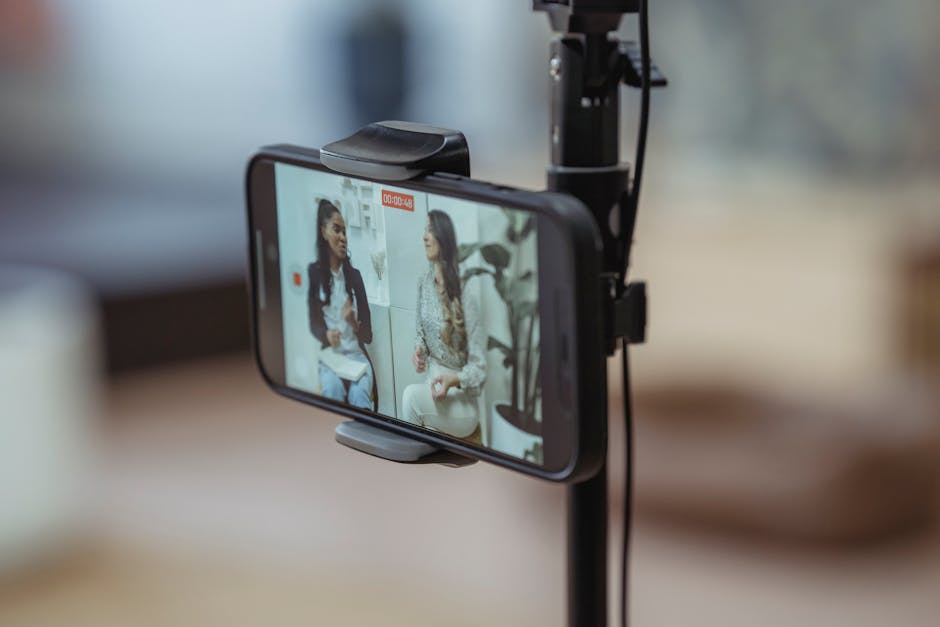 Photo by George Milton on Pexels
Why KOL Marketing Matters for Your Brand
Consumer behavior has shifted dramatically over the past decade. People skip ads, distrust branded messaging, and rely heavily on peer and expert recommendations before making purchase decisions. KOL marketing is built for exactly this environment.
Here is why it works so well.
Trust is the foundation. When a KOL recommends your product, their endorsement carries the weight of their entire reputation. Their followers have chosen to listen to them because they have proven to be knowledgeable and honest. That borrowed trust is one of the most valuable assets a brand can access.
Niche precision reduces waste. You are not broadcasting to a general audience and hoping some of them are relevant. You are reaching a specific community that already cares about your category. A B2B software company partnering with respected voices in the developer community will see far better qualified interest than the same budget spent on display advertising.
Content creation is built in. When you work with KOLs, they produce original content featuring your product. That content lives on their channels and often drives long-tail discovery through search and shares. Many brands also repurpose that content on their own social accounts or paid channels, extending its value well beyond the initial post.
ROI can be strong, especially at mid-tier. You do not need to work with the biggest names to see results. Mid-tier and micro KOLs, with audiences ranging from 10,000 to 250,000 followers, often deliver excellent engagement rates and conversion performance at a fraction of the cost of top-tier creators. Spreading your budget across several creators also gives you more data to learn from and reduces reliance on any single partnership.
How to Choose the Right KOLs
Choosing the right KOLs is where most brands either win or lose their campaigns. Follower count is just one factor, and often not the most important one.
Start with relevance. A KOL whose content aligns naturally with your product category will always outperform a larger creator who is a poor fit. The closer the match between the KOL's content and your product, the more organic and credible the endorsement will feel.
Next, look at engagement rate. This is the ratio of likes, comments, saves, and shares relative to follower count. A creator with 50,000 followers and a 6% engagement rate is likely more valuable for driving action than someone with 500,000 followers and a 0.5% rate. High engagement signals an active, attentive community.
Audience quality matters too. Platforms make it easy to inflate follower counts, so look for signs of genuine audience activity. Are the comments real and thoughtful? Do followers ask questions and tag friends? These are indicators that the audience is real and engaged, not bought or dormant.
Review the KOL's past brand partnerships. How many brands are they working with at once? Creators who take every deal they are offered can dilute the trust their audience has in their recommendations. Look for creators who are selective and whose partnerships feel like a natural fit for their content.
If you are managing KOL campaigns at scale, doing all of this manually becomes very time-consuming. AI-powered tools can dramatically speed up the discovery and vetting process. Our guide on AI-powered KOL matching covers how machine learning can help you identify the best partners faster and with more confidence.
 Photo by Kindel Media on Pexels
Building a KOL Marketing Strategy That Delivers
A strong KOL strategy starts with a clear goal. Are you trying to drive brand awareness, generate direct sales, build an email list, or enter a new geographic market? Your goal will shape which KOLs you choose, what content you ask for, and how you measure success.
Once you have a goal, think about the right platform and format. Long-form YouTube reviews are well suited for complex or high-consideration products where buyers need detailed information before deciding. Short-form TikTok and Instagram Reels work well for products with strong visual appeal or impulse purchase potential. LinkedIn KOLs are a strong fit for B2B brands targeting professionals.
When briefing KOLs, give them direction without over-scripting. Share key talking points, brand guidelines, and any claims that are important to include. But leave room for the creator to speak in their own voice. Overly polished or scripted content tends to underperform because audiences can sense when something is not authentic.
Track your results carefully. Metrics like reach, engagement rate, click-through rate, cost per click, and conversion rate all give you a clearer picture of which KOLs and which formats are driving value. Use this data to improve your targeting and brief with each campaign cycle.
If you are new to KOL campaigns and wondering how to keep costs manageable while building your program, our guide to what is KOL marketing includes practical tips on how to start small and scale up as you learn what works.
Getting Started
KOL marketing is not as complicated as it might seem at first. Start by identifying two or three KOLs in your niche whose audience genuinely matches your target customer. Reach out with a clear, concise pitch that explains who you are, what you are looking for, and what you are offering in return. Run a small initial campaign, track the results, and refine from there.
The brands that see the most consistent results from KOL marketing treat it as a channel, not a one-off experiment. They build ongoing relationships with creators, invest in understanding what resonates with different audiences, and continuously improve their approach based on real performance data.
The right tools make this much faster and more effective. Bizkol was built specifically to help brands and agencies discover, manage, and measure KOL partnerships at scale, with AI-powered matching to remove the guesswork from creator discovery.
Start your free trial at Bizkol
Photos provided by Pexels