
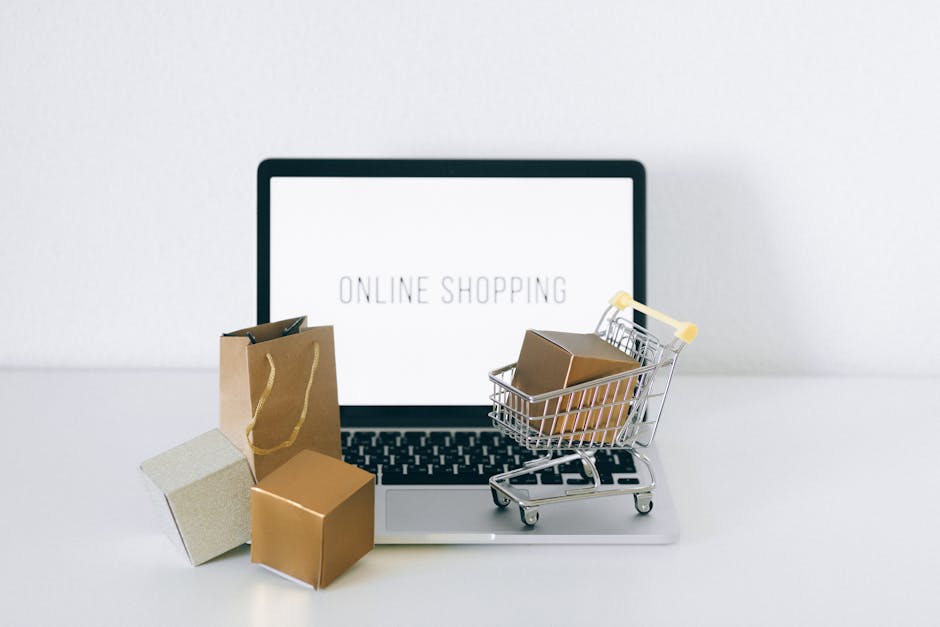
An ecommerce influencer marketing strategy is the plan you use to launch and grow a creator program that drives real product sales. It covers who you partner with, how you brief them, what you measure, and how you scale what works. For ecommerce brands, this is one of the highest leverage marketing channels you can run today. Done right, it pays back many times over. Done badly, it burns budget on creators who never move product.
This guide walks you through a complete launch playbook for an ecommerce influencer marketing strategy. We will cover audience research, creator selection, briefing, content rights, tracking, and scaling. By the end, you will have a clear blueprint you can put into action this quarter.
 Photo by www.kaboompics.com on Pexels
Why an Ecommerce Influencer Marketing Strategy Matters
Ecommerce buyers do not trust ads the way they used to. They scroll past banner promos and skip preroll videos. What they do trust is a real person showing them how a product looks, fits, or works. That is why an ecommerce influencer marketing strategy outperforms paid social for many DTC brands. The creator does the heavy lifting of building trust, and your product gets to ride along.
The numbers back this up. Studies show that influencer marketing returns five to six dollars for every dollar spent, with top performing campaigns going much higher. For ecommerce specifically, micro influencers often drive the strongest ROI because their audiences see them as friends, not celebrities. When a friend recommends a moisturizer or a kitchen gadget, you listen.
There is also a content advantage. Every creator campaign produces fresh user generated content (UGC) that you can repurpose across your owned channels. A single Instagram post becomes a paid social ad, a product page testimonial, and an email hero image. The cost per asset drops fast when you think of creators as content partners, not just media buys.
For a deeper look at how this fits into the bigger picture, see our complete guide to influencer marketing for ecommerce.
Step 1: Define Your Goals and KPIs
Before you reach out to a single creator, decide what success looks like. Ecommerce influencer marketing can drive three primary outcomes: direct sales, awareness, and content production. Most launches need all three, but one usually leads.
If you are launching a new product line, awareness might come first. If you are scaling an established SKU, direct sales should lead. Be honest about which one matters this quarter. That choice changes the creators you pick, the briefs you write, and the metrics you watch.
Here are the most common ecommerce KPIs and what each one tells you:
| KPI | What It Measures | When to Prioritize |
|---|---|---|
| Attributed revenue | Sales tied to a creator code or link | Performance focused campaigns |
| Cost per acquisition | Spend divided by orders | When you need profitable unit economics |
| Engagement rate | Likes, comments, saves per follower | Awareness and brand building |
| Earned media value | Estimated PR value of placements | Top of funnel pushes |
| Content output | Number of usable creative assets | UGC and paid social pipelines |
Pick three KPIs at most. Track them weekly. Anything more becomes noise.
Step 2: Research Your Audience and the Right Creator Tiers
Your ecommerce influencer marketing strategy lives or dies on creator fit. The best creator in the world is wrong if their audience does not buy your category. Start with your customer data. Pull your top buyers from the last twelve months and look at age, location, platform habits, and what other brands they follow. That gives you a creator persona, not just a customer one.
 Photo by Kindel Media on Pexels
Next, decide on creator tiers. Ecommerce brands usually mix two or three of these:
Nano creators (1k to 10k followers) post like real friends. They convert well for low ticket items and beauty, food, and home goods. Briefs are simple and rates are low.
Micro creators (10k to 100k followers) are the workhorse tier for ecommerce. They have enough reach to move volume and enough trust to convert. This is where most DTC brands should spend the majority of their budget.
Mid tier creators (100k to 500k followers) bring more polish and broader reach. Use them when you want category authority, like a beauty editor or a kitchen creator, and you have budget for higher rates.
Macro and celebrity tiers (500k+) work for launches and brand moments but rarely beat micro on pure ROI. Save them for when reach itself is the goal.
Use a discovery tool to find creators who already post about your category. AI influencer discovery platforms can scan millions of profiles for audience demographics, engagement quality, and brand affinity in seconds.
Step 3: Build Your Brief, Offer, and Contract
A great brief tells the creator what you want without scripting them. The creator knows their audience better than you do. Your job is to share the product story, the hero message, and the do not do list. Then trust them to deliver.
Include these in every ecommerce creator brief: a product summary, two or three talking points, mandatory disclosures, deliverable format (Reel, Story set, TikTok), a hashtag and tagging convention, and a clear deadline. Add a link to a brand asset folder with product images, your logo, and any FTC required disclaimers.
The offer matters as much as the brief. For nano and micro creators, gifting plus a flat fee works well. For larger creators, you may add a performance bonus tied to a unique discount code. Affiliate links and codes turn every creator into a measurable channel, even when their post does not include a swipe up link.
Always sign a written agreement. Spell out usage rights, exclusivity windows, posting timelines, and what happens if the creator misses the deadline. A simple influencer marketing contract template saves you from disputes later.
Step 4: Track, Optimize, and Scale What Works
You cannot improve what you cannot measure. Set up tracking before the first post goes live. The basics: unique discount codes for each creator, UTM tagged links, and a spreadsheet or platform that maps each creator to their results.
 Photo by Atlantic Ambience on Pexels
After two weeks, sort creators by attributed revenue and cost per acquisition. The top 20% usually drive 60 to 80% of results. Double down on them with repeat campaigns, longer term partnerships, or whitelist their content for paid social. Whitelisting (running paid ads from the creator's own handle) is one of the highest ROI moves in ecommerce influencer marketing strategy today.
Cut the bottom 20% fast. Do not feel bad about it. Some creators look perfect on paper and still flop. The middle 60% is where you test new briefs, new product angles, or new offers to see if you can lift performance.
Plan your scale phase from day one. If five micro creators drive a strong CAC in month one, can you run 25 in month three? What about 100 in month six? Most ecommerce brands hit a wall at 20 to 30 creators a month because manual sourcing, outreach, and reporting cannot keep up. That is when AI driven platforms start to pay for themselves.
Step 5: Build a Repeatable Program, Not a Series of One Off Posts
The biggest mistake in ecommerce influencer marketing is treating it like a campaign. The brands that win treat it like a channel. They run cohorts of creators every month, refresh briefs every quarter, and build long term ambassador relationships with their top performers.
A repeatable program has four parts: a sourcing engine that finds new creators on autopilot, a briefing and approval workflow, a tracking system that updates daily, and a content pipeline that pushes every approved asset into paid social, owned, and CRM channels. Put all four in place and the program starts compounding. Each month is better than the last because you keep your winners and replace your losers.
Your ecommerce influencer marketing strategy should also include a calendar that mirrors your product calendar. Product launches, seasonal pushes, and inventory clearance moments all need creator support. Plan briefs at least 30 days ahead so creators have time to plan and shoot.
Conclusion
A strong ecommerce influencer marketing strategy is not magic. It is goal setting, creator research, clear briefs, fair contracts, tight tracking, and constant iteration. Start small with 5 to 10 micro creators. Measure ruthlessly. Double down on what works. Scale the system, not just the spend.
Bizkol gives ecommerce brands the AI tools to do all of this in one place. From creator discovery to outreach automation to performance tracking, you get a single dashboard for your whole program.
Start your free trial at Bizkol
Photos provided by Pexels