
Creator commerce is changing how brands spend their marketing dollars. For years, brands paid creators for reach. You handed over a flat fee, the creator posted, and you hoped the views turned into sales. That model is fading fast. Today the smartest brands pay for results, not just for eyeballs. This shift is what creator commerce is all about, and it is reshaping the entire influencer industry.
The idea is simple. Instead of treating a creator like a billboard, you treat them like a sales channel. Their content drives clicks, those clicks drive purchases, and you can see every step of that journey. When a creator earns based on what they actually sell, both sides win. The brand gets measurable revenue, and the creator gets paid for performance instead of guesswork.
 Photo by Anna Shvets on Pexels
In this guide we will break down what creator commerce really means, why the move from reach to results is happening now, and how your brand can build a program that ties creator content directly to checkout. Whether you run a small online store or a growing consumer brand, the playbook below will help you spend smarter and grow faster.
What Creator Commerce Actually Means
Creator commerce is the practice of turning creator content into a direct path to purchase. It blends three things that used to live in separate boxes: influencer marketing, affiliate marketing, and e-commerce. In the old world, a creator built awareness, an affiliate drove a sale, and your store handled checkout. Creator commerce stitches all of that into one smooth flow.
Think about how people shop today. Someone scrolls TikTok, sees a creator demo a skincare product, taps a link, and buys it without ever leaving the app. That entire journey happened inside one moment of content. The creator was the ad, the storefront, and the trusted friend all at once. That is creator commerce in action.
The reason this matters is trust. Shoppers believe creators more than they believe brands. A real person showing a real product carries weight that a polished studio ad cannot match. When you add a buy button to that trust, you shorten the gap between interest and purchase. The creator does not just inspire a sale, they close it.
This is a big leap from the awareness-only mindset. Brands used to accept that creator content sat at the top of the funnel. Creator commerce pulls that content all the way down to the bottom, where revenue lives. The post is no longer the start of a long journey. It is the journey.
It also changes how you think about content itself. A reach campaign treats a post as a single impression that fades in a day. Creator commerce treats that same post as a storefront that can keep selling for weeks. A pinned video, a saved Reel, or an evergreen review continues to drive purchases long after it goes live. That durability is part of what makes the model so efficient. You are not renting attention for a moment, you are building assets that earn over time.
Why Brands Are Moving From Reach to Results
The move from paying for reach to paying for results did not happen by accident. Several forces pushed brands in this direction at the same time, and once they lined up, the change became impossible to ignore.
The first force is pressure on budgets. Marketing teams face tighter spending and harder questions from finance. When a CFO asks what a creator campaign returned, "we got two million views" is no longer a good answer. Leaders want revenue numbers. Creator commerce gives them exactly that, because every sale ties back to a creator, a link, or a code.
The second force is better tracking. A few years ago, connecting a creator post to a purchase was messy. Now affiliate links, unique discount codes, and platform-native shopping tools make attribution clean. You can see which creator drove which sale, down to the dollar. When you can measure it, you can pay for it.
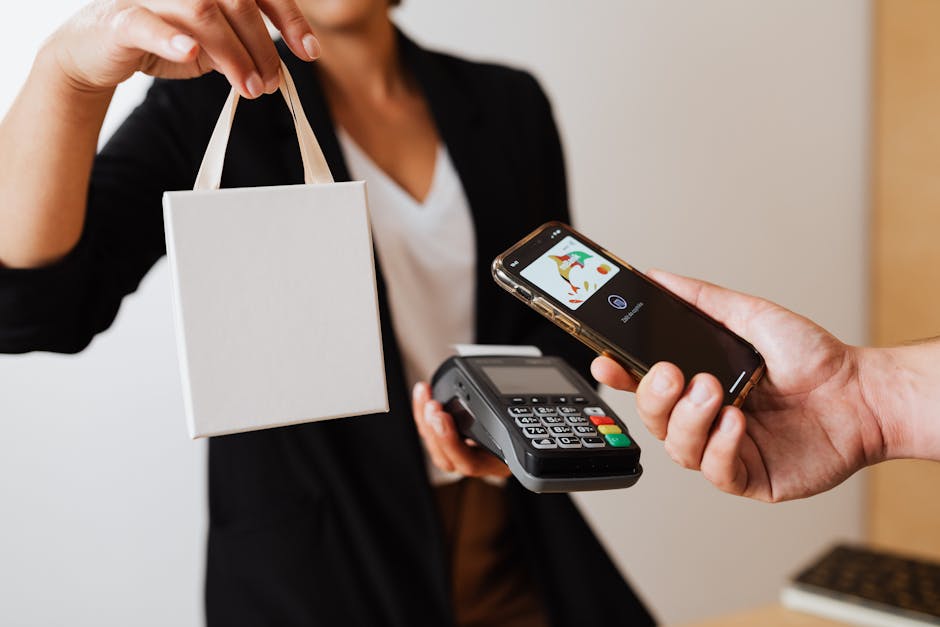 Photo by www.kaboompics.com on Pexels
The third force is the platforms themselves. TikTok Shop, Instagram Shopping, and YouTube product tags turned social apps into stores. Shoppers no longer bounce between an app and a website. They buy in place. This native checkout removes friction, and less friction means more sales tied directly to creator content. Our TikTok Shop affiliate playbook digs deeper into how brands are winning on that channel.
The fourth force is creator demand. Top creators want upside. A flat fee caps their earnings no matter how well a product sells. Performance deals let strong creators earn more when they drive real revenue. The best creators now prefer brands that share in the results, because that is where the real money is.
Put these four forces together and the picture is clear. Reach was easy to buy but hard to defend. Results are harder to earn but easy to prove. Brands that want to survive tight budgets are choosing proof.
There is also a cultural shift behind the numbers. Younger shoppers grew up buying through creators, not catalogs or banner ads. They expect to discover, research, and purchase inside the same feed, guided by people they follow. Creator commerce meets that expectation head on. Brands that cling to the old reach model are not just spending less efficiently, they are also speaking a language their next generation of customers no longer uses.
Reach Versus Results: A Side by Side Look
To make the shift concrete, it helps to compare the two models directly. The table below shows how a reach-based approach stacks up against a results-based creator commerce approach across the factors brands care about most.
| Factor | Pay for Reach | Pay for Results |
|---|---|---|
| How creators get paid | Flat fee upfront | Commission or hybrid tied to sales |
| Main metric | Views and impressions | Revenue and conversions |
| Brand risk | High, paid before any sale | Lower, cost scales with sales |
| Creator motivation | Post and move on | Keep driving sales over time |
| Tracking needed | Light | Strong attribution required |
The contrast is stark. With reach, you carry all the risk and the creator carries none. You pay first and hope the sales follow. With results, the risk is shared. You pay when value shows up, and the creator stays motivated to keep selling because their income depends on it.
That said, results-based models are not a free lunch. They demand solid tracking, clear contracts, and creators who actually convert. A creator with huge reach but a passive audience may underperform on a commission deal. This is why many brands use a hybrid structure, a smaller base fee plus commission, to balance fairness with accountability.
How to Build a Creator Commerce Program
Building a creator commerce program is less about a single campaign and more about a repeatable system. Here is how to set the foundation so that creator content reliably turns into checkout.
Start with the right products. Some products sell better through creators than others. Items that are visual, easy to demo, and priced for impulse buying tend to perform best. Beauty, fashion, food, and home goods are natural fits. If your product needs a long explanation or a big budget decision, creator commerce can still work, but expect a longer path to purchase.
Next, pick creators who match your buyer. Audience fit beats follower count every time. A creator with fifty thousand engaged followers in your niche will usually outsell a generalist with a million. Look at who actually watches and comments, not just the headline number. Tools that surface engagement quality and audience overlap help you avoid creators who look big but sell little.
 Photo by
 Then set up clean attribution. Give each creator a unique tracking link, a personal discount code, or both. This is how you connect a post to a sale and know who earned what. Without this layer, you are back to guessing, and guessing is exactly what creator commerce replaces. Make the codes easy to remember and on brand so shoppers actually use them.
After that, design the deal structure. Decide whether you will run pure commission, a flat fee, or a hybrid. New creator relationships often start with a small base plus commission, which lowers their risk while keeping their upside tied to performance. As you learn which creators convert, you can shift more weight toward commission for your top sellers.
Finally, make the buying experience seamless. The fewer taps between the content and the checkout, the more you sell. Use native shopping features where you can, like TikTok Shop or Instagram product tags, so shoppers buy without leaving the app. If you send traffic to your own site, make sure the landing page matches the content and loads fast. Every extra step loses sales.
Measuring Success and Avoiding Common Traps
Once your program is running, you need to measure it the right way and steer clear of the mistakes that sink many creator commerce efforts.
The metrics that matter are revenue, return on spend, and conversion rate per creator. Total views still have a place for awareness, but they are no longer your headline number. Focus on what each creator sold, what it cost you, and how efficiently their audience converted. Over time this tells you which creators to scale and which to drop. If you want a deeper framework, our guide on how to measure influencer marketing ROI walks through the full method.
Watch out for attribution gaps. Some sales will slip through the cracks, especially when a shopper sees a creator on one platform but buys later through search or direct. Use a mix of links, codes, and post-purchase surveys to catch credit that single-touch tracking misses. No system is perfect, so aim for a clear directional read rather than flawless precision.
Avoid the trap of chasing the biggest names. A celebrity creator can deliver a spike, but creator commerce rewards consistency more than splash. A roster of mid-size creators who post often and convert well usually beats one expensive headliner. Spread your bets and double down on the creators who keep selling.
Do not ignore content rights and repurposing. Strong creator content can power your paid ads, your product pages, and your email flows. Negotiate usage rights upfront so you can put winning content to work across every channel. This stretches your spend far beyond the original post and squeezes more revenue from each partnership.
Live selling is another lever worth pulling. Real-time shopping events let creators demo products, answer questions, and drive urgency, all of which lift conversion. Brands that pair always-on creator content with regular live events see compounding returns. Our piece on live selling for DTC brands covers how to run these sessions well.
 Photo by Cup of Couple on Pexels
The last trap is treating creator commerce as a one-off. The brands that win build long-term relationships. A creator who knows and loves your product sells it better the tenth time than the first. Reward loyalty, share results openly, and treat your best creators like partners rather than vendors. That relationship is the real engine of sustainable growth.
Choosing the Right Platform for Creator Commerce
Not every platform sells the same way, and your channel choice shapes how your creator commerce program performs. The best platform depends on your product, your audience, and how much friction sits between content and checkout.
TikTok leads the pack for impulse buys. Short videos, a powerful discovery feed, and native TikTok Shop checkout make it a sales machine for visual, lower-priced products. A single viral demo can move thousands of units in a day. If your product looks great in motion and costs little enough to buy on a whim, TikTok deserves the first slice of your budget.
Instagram works well for considered purchases and brand building. Shopping tags, Reels, and Stories let creators show products in lifestyle settings that build desire over time. Instagram shoppers often research a little before buying, so the platform suits fashion, beauty, and home goods that benefit from a polished feel. The native checkout keeps the path short once a shopper decides.
YouTube shines for products that need explanation. Long-form reviews, tutorials, and unboxings give creators room to make a real case. A shopper who watches a ten-minute review arrives at checkout already convinced. Product tags and links in the description connect that deep content to a purchase. For higher-priced or more complex products, YouTube often delivers the best conversion even if the view counts look smaller.
The smartest brands do not pick just one. They match each product to the platform where it sells best, then let strong content travel across channels. A YouTube review can be cut into TikTok clips and Instagram Reels, multiplying reach without multiplying production cost. Start where your buyers already shop, prove the model, then expand.
Creator Payment Models Explained
The heart of creator commerce is how you pay. Get the structure right and creators stay motivated while your costs stay tied to value. Here are the main models and when each one fits.
Pure commission pays creators a percentage of every sale they drive. This carries the lowest risk for your brand because you only pay when revenue shows up. It works best with proven creators who already convert and trust that your product sells. New or smaller creators may hesitate at pure commission, since they take on all the upfront effort with no guaranteed return.
Flat fee plus commission, often called a hybrid, gives creators a modest base payment plus a cut of sales. This is the most common starting point for new partnerships. The base covers the creator's production time and signals that you value their work, while the commission keeps their income tied to performance. Hybrids strike a fair balance and tend to attract better creators than commission alone.
Tiered commission rewards creators who hit sales milestones with higher rates. For example, a creator might earn ten percent on their first batch of sales and fifteen percent once they pass a threshold. This structure pushes top sellers to keep going and helps you concentrate budget on the creators who deliver. It also builds loyalty, because your best partners see their effort pay off directly.
Gifting plus affiliate is a low-cost entry point. You send free product, the creator posts if they like it, and they earn commission on any sales. This model scales widely and costs little upfront, which makes it ideal for testing many creators at once. The tradeoff is less control, since creators are not obligated to post. Use it to find hidden gems, then move your winners to a stronger deal.
Whatever model you choose, put the terms in writing. Spell out commission rates, payment timing, tracking methods, and content rights before anyone posts. Clear contracts prevent disputes and let creators focus on selling instead of chasing payments. The brands that treat creators fairly and pay on time earn the loyalty that keeps a roster selling for years.
The Future of Creator Commerce
Creator commerce is still early, and it is getting smarter every quarter. AI now helps brands match products to the right creators, predict which partnerships will convert, and automate the tracking that used to take hours of manual work. As these tools mature, running a results-based program will get easier and cheaper, which means more brands will join the shift.
Platforms will keep closing the gap between content and checkout. Expect more native shopping features, faster in-app buying, and richer data on what drives each sale. The brands that learn these tools early will own an edge that latecomers struggle to catch.
The core truth will not change though. Shoppers trust people more than ads, and they buy from creators they believe. Creator commerce simply puts a checkout button next to that trust. Brands that pay for results, build real creator relationships, and make buying effortless will keep winning as the rest of the market catches up.
The move from reach to results is not a trend you can wait out. It is the new baseline. Start small, track everything, and grow the partnerships that prove their worth. Your budget, your finance team, and your creators will all thank you for it.
Ready to build a creator commerce program that ties content directly to revenue? Bizkol helps you find the right creators, track every sale, and scale the partnerships that perform. Start your free trial at Bizkol
Photos provided by Pexels