
AI influencer marketing is changing the way brands find creators, run campaigns, and measure results. Instead of spending weeks sorting through spreadsheets and sending cold emails, marketers can now use AI tools to handle the heavy lifting in minutes. If you are curious about how this works and whether it is right for your brand, this guide breaks it all down.
 Photo by Kindel Media on Pexels
What Is AI Influencer Marketing?
AI influencer marketing means using artificial intelligence to handle key parts of your influencer program. That includes finding creators, analyzing their audiences, predicting campaign performance, personalizing outreach, and tracking results.
Traditional influencer marketing relied on gut instinct and manual research. A marketing manager would spend days scrolling through Instagram, checking follower counts, and guessing whether a creator's audience matched the brand's target customer. AI replaces that guesswork with data.
The result is faster decisions, better creator matches, and campaigns that perform more consistently. It is not about removing the human touch. It is about giving marketers better information so they can make smarter calls, faster.
At its core, AI influencer marketing is still about building authentic connections between brands and creators. The technology just helps you find the right connections more efficiently.
How AI Is Changing Influencer Discovery
Finding the right creator used to be one of the hardest parts of running an influencer campaign. AI makes it much faster and far more accurate.
AI-powered discovery tools scan millions of profiles across Instagram, TikTok, YouTube, and other platforms. They analyze engagement rates, audience demographics, content themes, posting frequency, and past brand partnerships. Instead of filtering by follower count alone, you can search by niche, location, audience interests, and even brand affinity.
This matters because follower count is a poor proxy for fit. A creator with 50,000 engaged followers in your exact target market will almost always outperform a creator with 500,000 followers whose audience is scattered across unrelated interests. AI helps you find that first creator in minutes instead of days.
The best AI discovery tools also flag red flags automatically. They identify unusual follower growth spikes, engagement patterns that suggest bot activity, and audience quality issues that would be nearly impossible to catch through manual review.
AI Influencer Discovery: Find the Right Creators Faster goes deep on how these tools work and what to look for when evaluating which platform is right for your team.
 Photo by
 How AI Streamlines Outreach and Campaign Management
Discovery is only the first step. AI also changes how brands communicate with creators and manage campaigns once they launch.
Personalized outreach at scale used to be a contradiction. You could either send personalized emails slowly, one by one, or blast a generic template to hundreds of creators. AI tools now let you personalize messages automatically based on a creator's content, niche, and audience profile. The messages feel genuine because they reference real details about the creator's work and style.
Once a campaign starts, AI handles tracking, reminders, and status updates. It flags when a creator has not posted, alerts you when content goes live, and pulls performance data automatically. This removes a lot of the manual project management that used to eat up hours every week.
AI can also help with contract workflows, product seeding logistics, and approval processes. The goal is to give your team more time to focus on strategy and relationship-building instead of chasing down tasks and status emails.
If you want to see how this works in practice, How to Automate Influencer Outreach with AI covers the tools and tactics in detail.
How AI Improves Audience Analysis and Brand Fit
One of the biggest risks in influencer marketing is working with a creator whose audience does not match your target customer. AI reduces that risk significantly.
AI tools analyze audience demographics in ways that manual review simply cannot. They look at age ranges, geography, gender breakdown, interests, income indicators, and engagement patterns. Some platforms also examine the quality of comments, the ratio of likes to saves, and how audiences respond to sponsored content specifically, not just organic posts.
Beyond demographics, AI can assess brand affinity. It looks at what products a creator's audience has engaged with, what brands they follow, and what topics they talk about in comments. This gives you a clearer picture of whether a creator's community is likely to respond to your product.
If you are using an AI matching tool, it will often score creators on brand fit before you even open their profile. That score pulls together dozens of signals into a single number you can act on quickly. Check out AI-Powered KOL Matching: The Complete Guide for a deeper look at how matching algorithms work and what makes them effective for different campaign types.
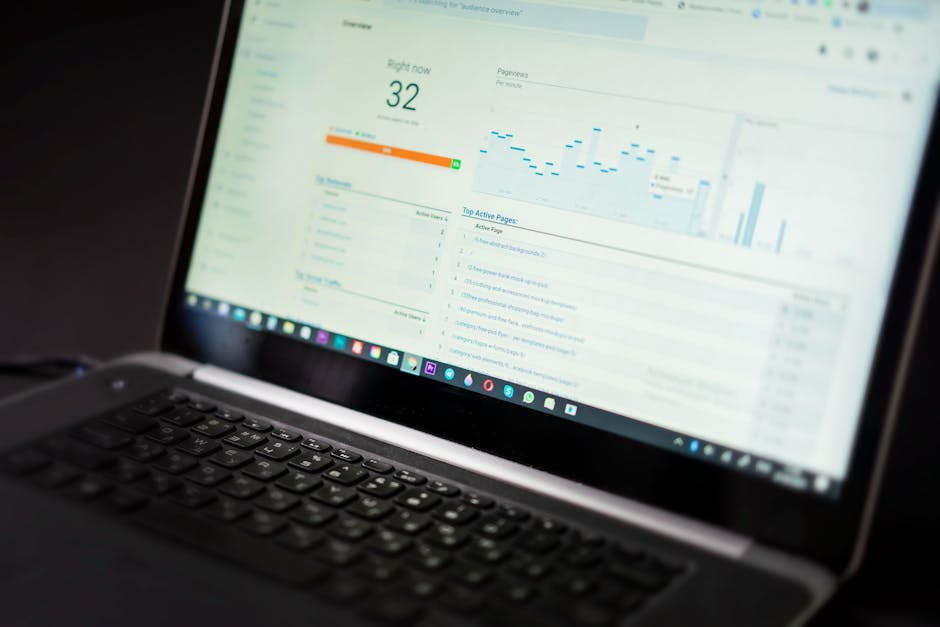 Photo by Atlantic Ambience on Pexels
Measuring Performance with AI
Measuring influencer marketing ROI has always been tricky. AI makes it more reliable and a lot less manual.
AI tools pull performance data across platforms and present it in a single dashboard. Instead of logging into Instagram Insights, TikTok Analytics, and YouTube Studio separately, you see everything in one place. That includes reach, impressions, clicks, saves, and conversions if your links are properly tracked with UTM parameters.
More importantly, AI can help with attribution modeling. It helps you understand how influencer content contributed to a purchase, even when the path from post to checkout was not direct. A viewer might see a creator's video, follow the brand's account, and then buy three weeks later during a sale. AI analytics tools are getting better at connecting those dots across touchpoints.
AI can also benchmark your results against industry averages. If your campaign generated a 2.8% engagement rate, the tool can tell you whether that is strong or weak for your category, creator tier, and platform. That context transforms raw numbers into insights you can actually use.
Over time, AI learns from your campaign history. It identifies which creator types, content formats, and audience segments perform best for your specific brand. Each campaign makes the next one smarter.
How to Get Started with AI Influencer Marketing
You do not need a massive budget or a large team to start using AI influencer marketing tools. Here is a simple approach to getting started.
First, get clear on your goals. Are you trying to drive brand awareness, generate direct sales, or build community? The answer shapes which tools you need and which creators you should be targeting.
Second, choose a platform that fits your stage. Some AI marketing platforms are built for enterprise brands running hundreds of campaigns simultaneously. Others are lightweight tools that help small teams discover and reach out to a focused set of creators each month. Match the tool to your actual needs, not your aspirational ones.
Third, run a small pilot before scaling. Pick one platform, identify 10 to 20 creators using the AI discovery features, launch a small campaign, and measure the results carefully. Use what you learn to refine your targeting, outreach messaging, and creator criteria before investing more.
Finally, treat AI as a collaborator, not a replacement for judgment. The tools surface data and automate repetitive tasks, but your instincts still matter. A creator might score well on paper but feel wrong for your brand's voice. Trust the data, and trust yourself when something feels off.
AI influencer marketing is not a magic solution. It is a better way to work. When you pair smart tools with a clear strategy, your campaigns get faster, more targeted, and much easier to measure.
Ready to put AI to work for your influencer program? Start your free trial at Bizkol
Photos provided by Pexels